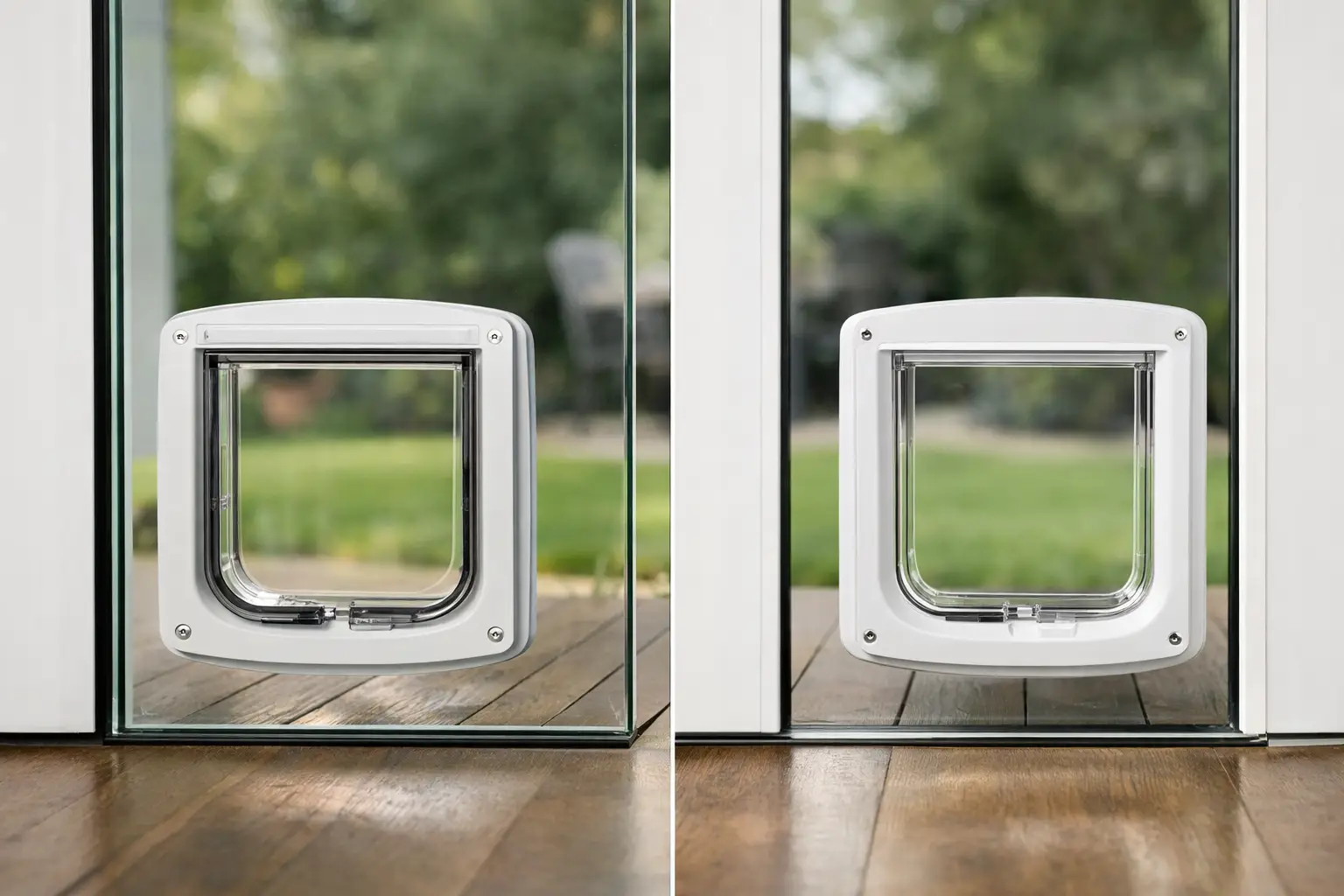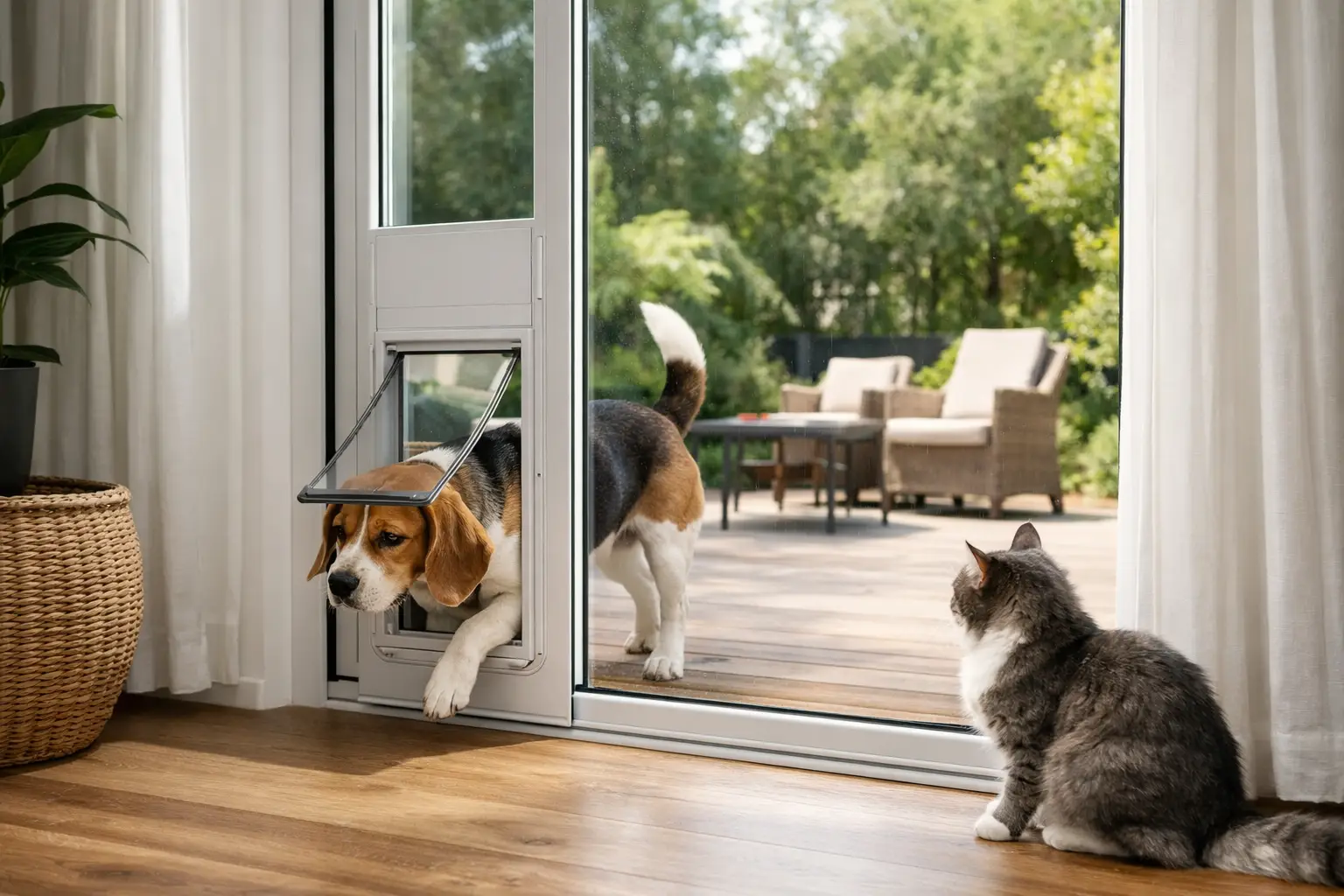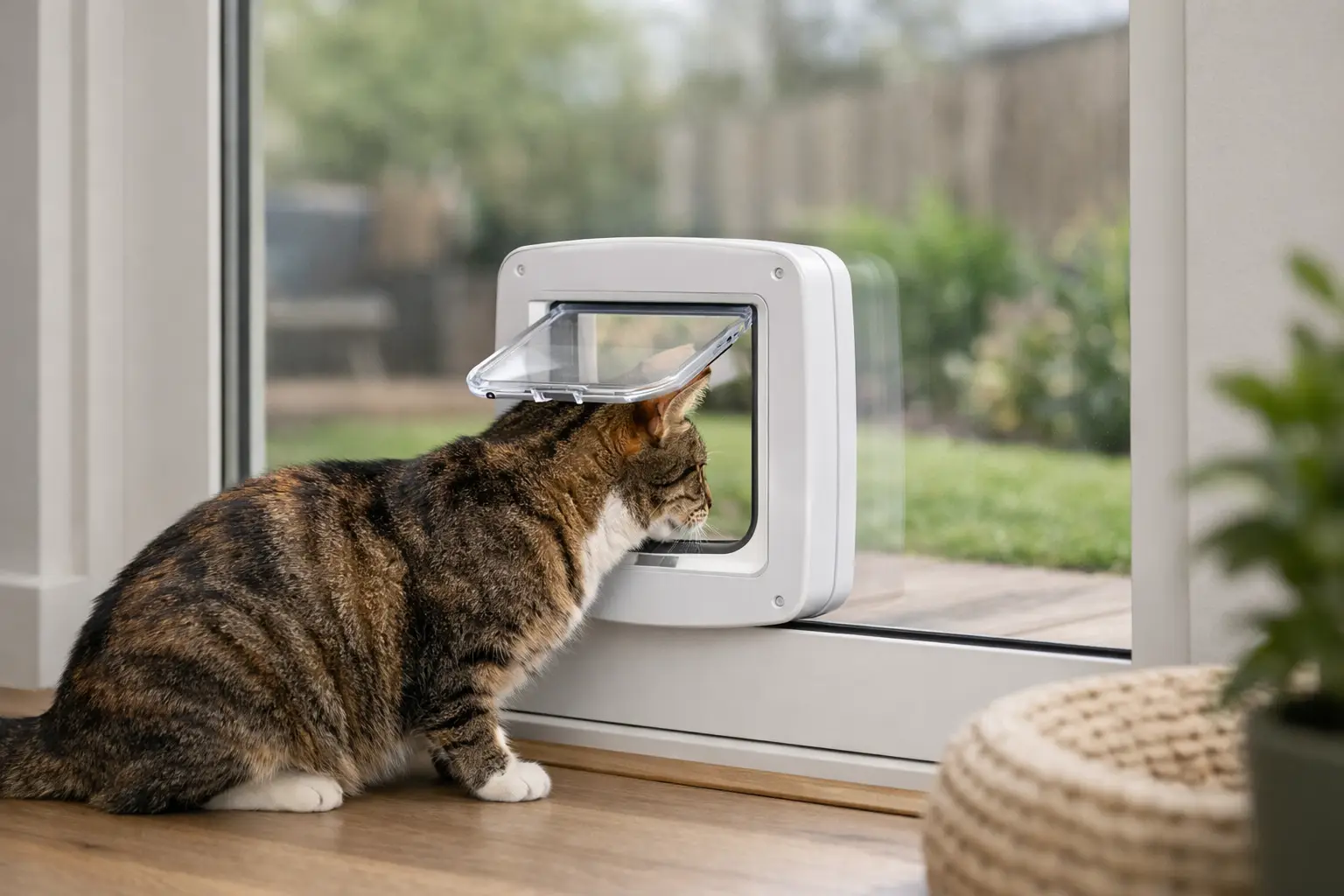
Timber Door Pet Doors: Pros, Cons & Costs
A timber door is one of the most popular places to install a pet door, and for good reason. Compared with glass, double glazing, or security screens, timber doors often offer a simpler and more cost-effective installation option. However, not all timber doors are the same, and choosing the right pet door still matters.
If you’re researching timber door pet doors, this guide explains the pros, cons, costs, and key factors to consider before cutting into your door.
Why Timber Doors Are Ideal for Pet Door Installation
Many Australian homes feature timber back doors, laundry doors, or side entry doors. These doors often provide enough space and structural strength to accommodate a pet door without major modifications.
Unlike glass installations, timber doors do not require specialised glazing work or replacement glass panels. If you are comparing your options, you may also find our guide to pet doors in glass helpful.
For many pet owners, the benefits are immediate. Cats gain freedom to come and go independently, while dogs can access the backyard when they need a toilet break, fresh air, or a comfortable place to relax during the day.
A professionally installed pet door also looks neat and purposeful. When installers position and finish the unit correctly, the pet door becomes a practical feature of the home rather than an obvious afterthought.
Pros of Installing a Pet Door in a Timber Door
Flexible Placement Options
One of the biggest advantages of timber doors is flexibility. Installers can often position the pet door in the most suitable location based on your pet’s size and the door’s construction.
This flexibility allows larger dog doors to fit where they may not be possible in glass or security screens.
Lower Installation Costs
Timber door installations typically cost less than glass installations.
Glass pet doors often require replacing an entire glass panel with new toughened safety glass that includes a pre-cut opening. You can learn more about this process in our article on in-glass pet door installation.
For many homeowners, a timber door provides the most affordable path to professional pet door installation.
Suitable for Most Pet Door Models
Most pet doors available in Australia can be installed into timber doors. This includes standard manual pet doors, lockable pet doors, weather-resistant pet doors, large dog doors, and premium pet doors with improved sealing systems.
Popular options include the Hakuna Super Tough Pet Door, which offers excellent weather protection and suits both cats and dogs, and the Hakuna Deluxe Aluminium Pet Door, which features a flexible flap ideal for timid pets. If you are comparing products, our Hakuna pet door comparison guide can help.
Strong and Durable
A solid timber door provides excellent support for a pet door frame. When installed correctly, the pet door can withstand years of daily use without affecting the door’s functionality.
For more product-specific advice, see our guide to the best pet doors for solid timber doors.
Cons of Installing a Pet Door in a Timber Door
The Modification Is Permanent
Once an installer cuts a hole in a timber door, the change becomes permanent.
While replacement panels are sometimes possible, restoring the door to its original condition can be difficult and costly. This factor is particularly important for rental properties or homeowners planning future renovations.
Not All Timber Doors Are Suitable
Many homeowners assume all timber doors are solid timber. In reality, some doors are hollow-core constructions with thin skins over a lightweight internal frame.
These doors may not provide enough strength to support larger pet doors. Before installation, a professional should always assess the door construction to ensure it can safely accommodate the chosen pet door.
You can read more in our guide, Can You Install a Pet Door in a Hollow Core Door?
Weather Exposure Matters
External timber doors face constant exposure to sun, rain, and changing temperatures.
Without proper sealing and finishing, moisture can penetrate exposed cut edges and cause swelling, warping, or deterioration over time.
Professional installers seal and finish all exposed surfaces to maximise durability and weather resistance.
Hollow-Core vs Solid Timber Doors
Understanding the difference between door types is essential before selecting a pet door.
Solid Timber Doors
Solid timber doors provide better structural strength, greater durability, more flexibility for larger pet doors, and a longer lifespan.
These doors generally offer the best results for pet door installation.
Hollow-Core Doors
Hollow-core doors contain a lightweight internal structure and thin outer skins.
While many hollow-core doors can still accommodate smaller pet doors, larger models may require additional reinforcement. In some cases, installation may not be recommended at all.
If you are unsure which type of door you have, a professional installer can assess it before proceeding.
What Affects the Cost of a Timber Door Pet Door?
Several factors influence the overall cost of installation.
1. Pet Door Size
Larger pet doors require larger cut-outs and more installation work.
A small cat flap costs less to install than an extra-large dog door designed for breeds such as Labradors, Golden Retrievers, or German Shepherds.
2. Pet Door Model
Basic pet doors cost less than premium options.
Features that increase product cost include weather seals, lockable security covers, magnetic closure systems, premium construction materials, and microchip or electronic access systems.
3. Door Construction
A flat timber door is usually straightforward to work with.
Decorative panel doors, routed designs, and doors with structural rails may require additional labour and careful positioning.
4. Installation Complexity
Most standard timber door installations are relatively simple. However, custom positioning, oversized pet doors, or reinforcement work can increase labour costs.
Choosing the Right Pet Door for a Timber Door
Many pet owners focus on breed when selecting a pet door. However, accurate measurements deliver much better results.
Before choosing a pet door, measure your pet’s shoulder height, overall body width, chest width, and weight. Older pets often benefit from slightly larger openings because they may struggle to crouch or bend comfortably.
A pet door that is too small can quickly become frustrating for your pet. On the other hand, an oversized pet door may create unnecessary drafts and affect the appearance of the door.
For a full measuring guide, read How to Choose Pet Door Size Properly.
For homes with both cats and dogs, always size the opening to suit the largest regular user. You may also find our article on choosing a pet door for cats and dogs useful.
Professional Installation vs DIY
Many DIY enthusiasts consider installing a pet door themselves. While timber is easier to cut than glass, professional installation still delivers significant advantages.
Professional installers assess door construction, confirm correct pet door sizing, position the opening for comfortable pet access, seal exposed timber properly, and maintain the strength and appearance of the door.
Poor DIY installations often result in crooked frames, rough edges, gaps, drafts, and reduced door strength.
For larger pet doors, professional installation becomes even more important because bigger openings place greater demands on the door structure.
When a Timber Door May Not Be the Best Choice
Although timber doors suit many installations, they are not always the ideal location.
You may want to consider another option if the door is heritage or decorative, badly weathered, likely to be replaced soon, or the bottom rail sits too high for your pet.
Security screens may suit some homes better, especially when the screen door gives your pet better outdoor access. If you are considering this option, read our guide to dog doors in security screens or cat doors in security screens.
Rental properties can also be more complicated. Even if the door is timber, you should get approval from the owner or property manager before making any permanent change.
How to Get the Best Result
Successful timber door pet door installations start with good planning.
Before installation, measure your pet accurately, confirm whether your door is solid or hollow-core, choose a pet door that suits your pet’s size and activity level, consider weather protection and security features, and use an experienced installer.
A professionally installed pet door should look like it was always part of the door. It should operate smoothly, seal effectively, and provide years of reliable use for both you and your pet.
You can also explore our timber pet door installation service for more information about timber door options.
Final Thoughts
A timber door remains one of the easiest and most cost-effective places to install a pet door. It offers excellent flexibility, supports a wide range of pet door styles, and can accommodate everything from small cat flaps to large dog doors.
However, the best results come from choosing the right pet door, understanding your door’s construction, and ensuring the installation is completed correctly.
At Pet Doors Ontime, we install pet doors into timber doors, glass panels, security screens, and more. Our experienced installers can help you choose the right pet door for your home, your pet, and your budget, ensuring a clean, professional finish every time.
So if you’re unsure about which option is right for your home, send a photo to Pet Doors Ontime. We can help you work out:
- Which pet doors are suitable
- Choose the right sized pet door for your pet
- Whether your timber door will accomodate a pet door
Frequently Asked Questions
Most timber doors can accommodate a pet door, but hollow-core, damaged, or decorative doors may have limitations.
The best choice depends on your pet’s size and your home’s needs. Popular options include the Hakuna Super Tough and Hakuna Deluxe Aluminium ranges.
Costs vary depending on the pet door size, model, and door construction. Smaller installations generally cost less than large dog door installations.
Yes, but ask yourself – do you have the tools required – like a jig saw or a power drill? Most times a professional installation provides better finishing, proper sealing, and ensures the door remains structurally sound.
Not when installed correctly. Professional installers position and finish the opening carefully to help maintain the door’s strength. If you’re considering doing this yourself make sure you leave plenty of room from the edge.