Best Pet Doors for Solid Timber Doors
A solid timber door gives you one of the best surfaces for pet door installation, but the product choice still matters.
The best pet doors for solid timber doors need a strong frame, reliable lockability, good weather sealing and the right size for your pet. A cheap or poorly matched pet door can leave gaps, rattle in the wind, weaken the door, or make your pet uncomfortable.
Solid timber gives the installer a strong surface to work with. But once someone cuts the door, the decision becomes permanent. That is why you should choose the right pet door before the first cut.
If you are still comparing installation locations, start with our guide to pet door installation types.
What Makes a Pet Door Suitable for Solid Timber Doors?
A good timber-door pet door should have:
- A rigid frame
- Strong fixing points
- A flap that closes properly
- A secure locking option
- Weather sealing for external doors
- A size that suits your pet’s height and width
- A shape that suits the door style
Solid timber doors can handle better-quality pet doors well. They do not suit flimsy products that rely on lightweight plastic, weak locks or poor seals.
For most external timber doors, choose a product that feels strong enough for everyday use. Your pet may use the door many times a day, so the frame and flap need to handle constant movement.
You can view timber-suitable options on our pet doors in timber doors page.
Match the Pet Door to Your Pet First
Size matters more than breed.
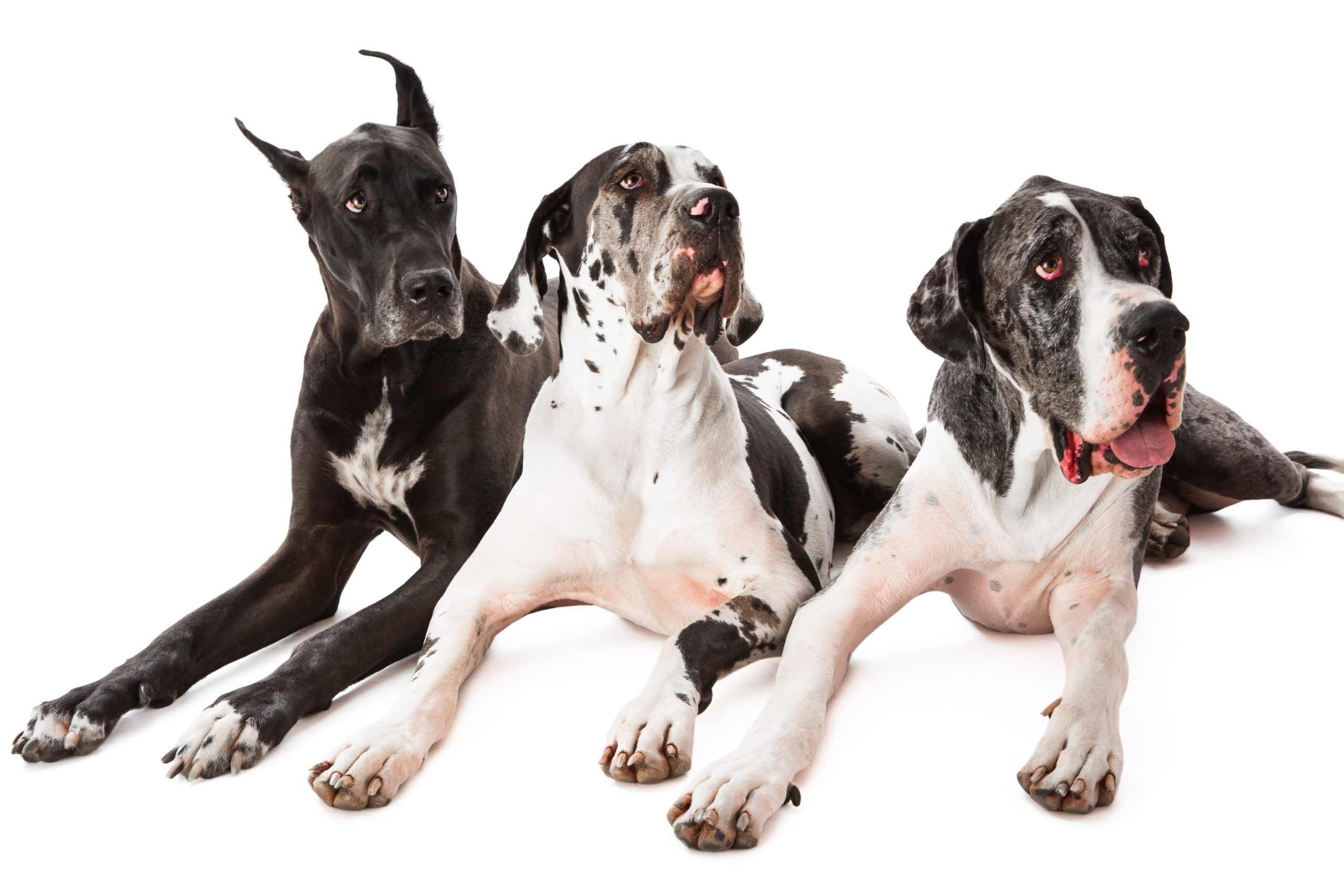
Measure your pet’s height, shoulder width and chest width. Your pet should move through the opening without squeezing, crouching too much or scraping the frame.
If you have more than one pet, choose the size around the largest regular user. Smaller pets usually adapt to a slightly larger flap more easily than large pets adapt to a cramped one.
Older pets may also need a lower step-over and a wider opening. If a pet door feels uncomfortable, many pets will avoid it.
For more help with sizing and product choice, read our guide on choosing a pet door for cats and dogs.
Good Options for Solid Timber Doors
Hakuna Super Tough
The Hakuna Super Tough is a solid option for solid timber doors, especially when you want durability and lockability.
It has a strong frame, magnetic flap, weather seal and two-way locking system. It suits cats, small dogs, medium dogs and some larger dogs, depending on the size selected.
This product works well when you want something tougher than a basic plastic flap but still want a neat, practical finish.
You can find this option on our pet doors in timber doors page.
Hakuna Deluxe Aluminium
The Hakuna Deluxe Aluminium can also suit solid timber doors when you want a flexible flap, weather seal and lockable security slide.
It is a stronger option than basic plastic pet doors and suits higher-use situations. The flexible PVC flap can suit pets that prefer a softer flap action, while the lockable security slide gives you more control when you need to keep pets in or out.
However, we do not recommend the Hakuna Deluxe Aluminium as a DIY installation. Our installers have found this model tricky to install cleanly, especially when the door thickness, flap position or cut-out needs careful adjustment. For the best result, choose professional installation.
You can also read more about our Hakuna pet door installation service.
Products to Avoid in Solid Timber Doors
Not every pet door suits a solid timber door.
Avoid Flimsy Plastic Pet Doors
Budget products may look fine online, but weak frames and basic locks often disappoint once installed.
The Hakuna Essentials range is one example to treat carefully. It may suit lighter, everyday use in some situations, but it is not the best choice for a solid timber external door that needs strength, security and durability.
If you are cutting into a quality timber door, choose a product that matches the value of the door.
Avoid Round Pet Doors for Timber Doors
Round pet doors, such as the Hakuna Ultra Clear, are not the best choice for solid timber doors.
The Hakuna Ultra Clear suits glass-style installations better. Its round shape can look out of place in timber and may not give the same practical fit as a rectangular pet door designed for doors.
For solid timber, a rectangular framed pet door usually gives a cleaner look, stronger fit and easier everyday use.
If you are considering a glass installation instead, read our guide to in-glass pet door installation.
Security for External Timber Doors
Security matters more when the pet door goes into an external timber door.
A larger pet door creates a larger opening. If security is a factor for you, choose a pet door with a secure lock plate or locking slide that acts as a physical barrier when the house is unattended.
This is especially important for:
- Back doors
- Laundry doors
- Side access doors
- Doors hidden from street view
- Homes with larger dog doors
- Holiday homes or properties left unattended
For larger pet doors, a basic flap lock may not provide enough reassurance. A stronger lock plate can help block the opening when you do not want the pet door in use.
The Hakuna Deluxe Aluminium includes a lockable security slide, which gives extra control on external doors. The Hakuna Super Tough also gives you lockability with a stronger everyday frame.
A secure pet door should not interfere with your existing door locks, handles or hardware. The installer should position the pet door carefully so the main door still works as intended.
Four Features Worth Paying For
1. A Strong Lock
A lockable pet door helps you control access at night, during bad weather, or when you need to keep pets inside.
For solid timber exterior doors, lockability matters. The Hakuna Super Tough gives you a practical locking option, while the Hakuna Deluxe Aluminium includes a lockable security slide.
2. Good Weather Sealing
External timber doors need a pet door that helps reduce draughts, rain and dust.
A poor seal can make the door noisy and uncomfortable, especially in exposed areas. Choose a pet door with a magnetic close, weather seal or controlled flap action.
3. A Rigid Frame
A rigid frame helps the pet door sit neatly in the timber and hold its shape over time.
Cheap frames can bow, loosen or leave gaps around the cut-out. A stronger frame gives the installer a better chance of achieving a clean finish.
4. The Right Flap Action
Some pets prefer a softer flexible flap. Others cope well with a firmer flap.
The Hakuna Deluxe Aluminium uses a flexible PVC flap, which can suit pets that dislike pushing through a rigid panel. The Hakuna Super Tough uses a stronger flap and works well when durability matters more.
Placement Matters
The installer needs to place the pet door carefully.
The opening should not interfere with locks, mortice hardware, rails, panels or decorative details. A poor location can weaken the door, look awkward or make the pet door harder to use.
Good placement should:
- Keep clear of locks and handles
- Suit your pet’s natural walking height
- Avoid narrow rails or weak sections
- Sit squarely and neatly in the door
- Leave enough clearance inside and outside
A pet door should look intentional, not like someone added it as an afterthought.
Door Style and Thickness Change the Job
Solid timber doors vary.
Some have flat faces and allow a straightforward installation. Others have raised panels, routed sections, mouldings or decorative details. These features can limit where the pet door can sit.
Door thickness also matters. The pet door needs to suit the depth of the timber. If it does not, the installer may need to adapt the fit so the frame clamps properly and the cut edges stay covered.
If your door is not solid timber, you may find this guide useful: Can you install a pet door in a hollow core door?
Should You DIY a Pet Door in a Solid Timber Door?
Some basic timber installations look simple, but mistakes are hard to hide.
Cutting off-centre, choosing the wrong height, splintering the timber or fitting the wrong product can turn a practical upgrade into an expensive repair.
DIY may suit a simple, low-value door and a basic pet door. But if the door is visible, expensive, decorative, thick, or part of your main entry, professional installation makes more sense.
You should also avoid DIY installation for trickier products such as the Hakuna Deluxe Aluminium. It can give a strong result, but it needs careful fitting.
If you are comparing timber with other locations, you may also want to read Can you put a pet door in a screen door? or Cat door in security screen: what to know.
Common Mistakes When Choosing a Timber Pet Door
The biggest mistake is choosing by price alone.
A cheaper product may save money upfront, but weak locks, thin plastic and poor seals often create problems later.
The second mistake is buying too small. Pets need to move through naturally. If the flap feels tight, they may avoid using it.
The third mistake is choosing the wrong style. A round pet door may suit glass, but it usually does not suit solid timber as well as a framed rectangular model.
The fourth mistake is ignoring the door itself. A flat solid timber door gives you more flexibility than a detailed or heavily profiled door.
So, Which Pet Door Is Best?
For most solid timber exterior doors, choose a high-quality framed pet door with good weather sealing, lockability and a size matched to your largest pet.
The Hakuna Super Tough is a solid option when you want durability and a weather seal.
The Hakuna Deluxe Aluminium is a good option when you want a flexible flap and lockable security slide, but it is best left to professional installers.
Avoid flimsy products such as Hakuna Essentials for high-use external timber doors, and avoid round pet doors such as Hakuna Ultra Clear for timber installations.
A solid timber door should still look strong and tidy after the job is done. The right pet door gives your pet freedom, but the right installation makes the result secure, neat and long-lasting.
Need help choosing the right product? View our timber pet door installation options or contact Pet Doors Ontime for advice before you cut into your door.