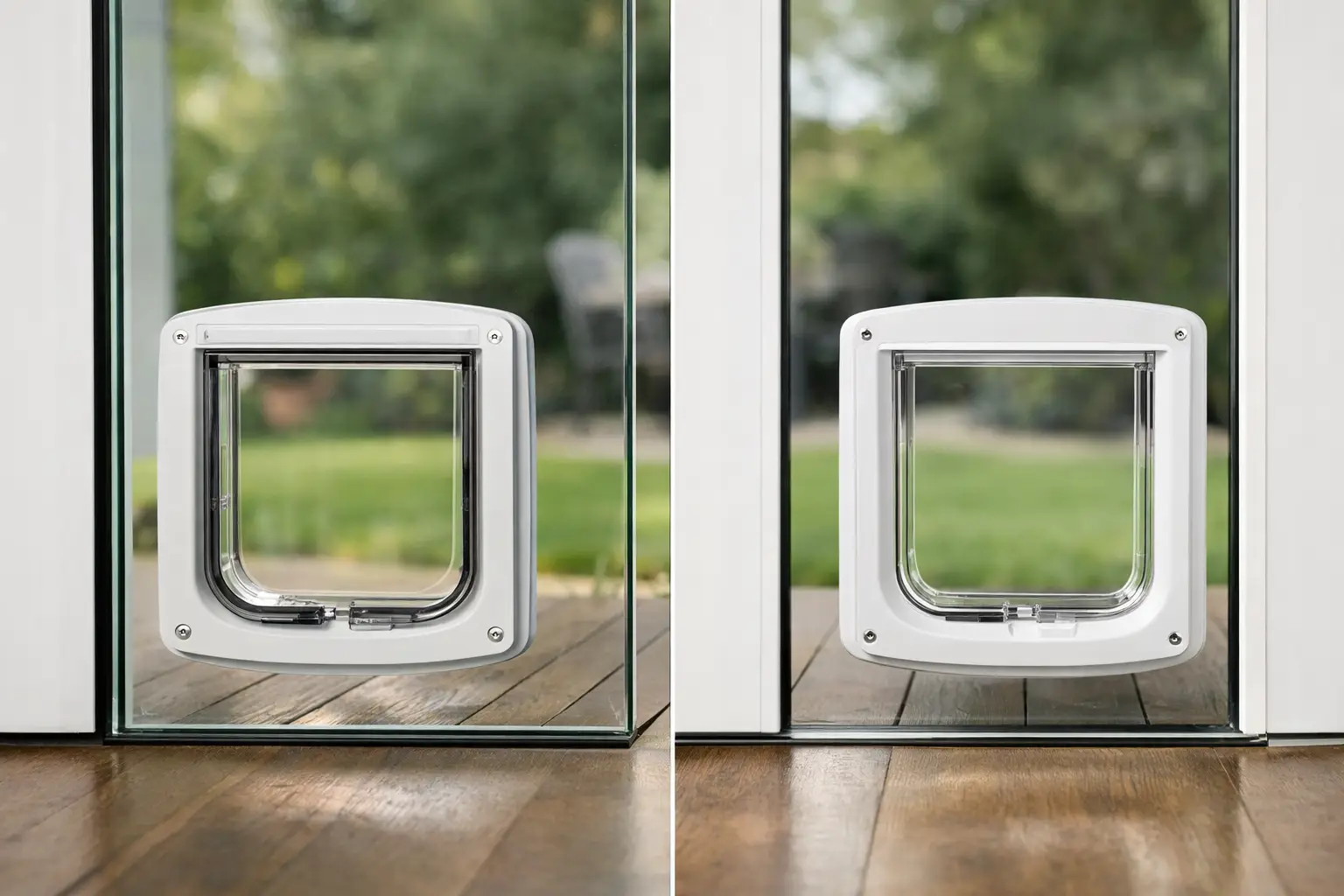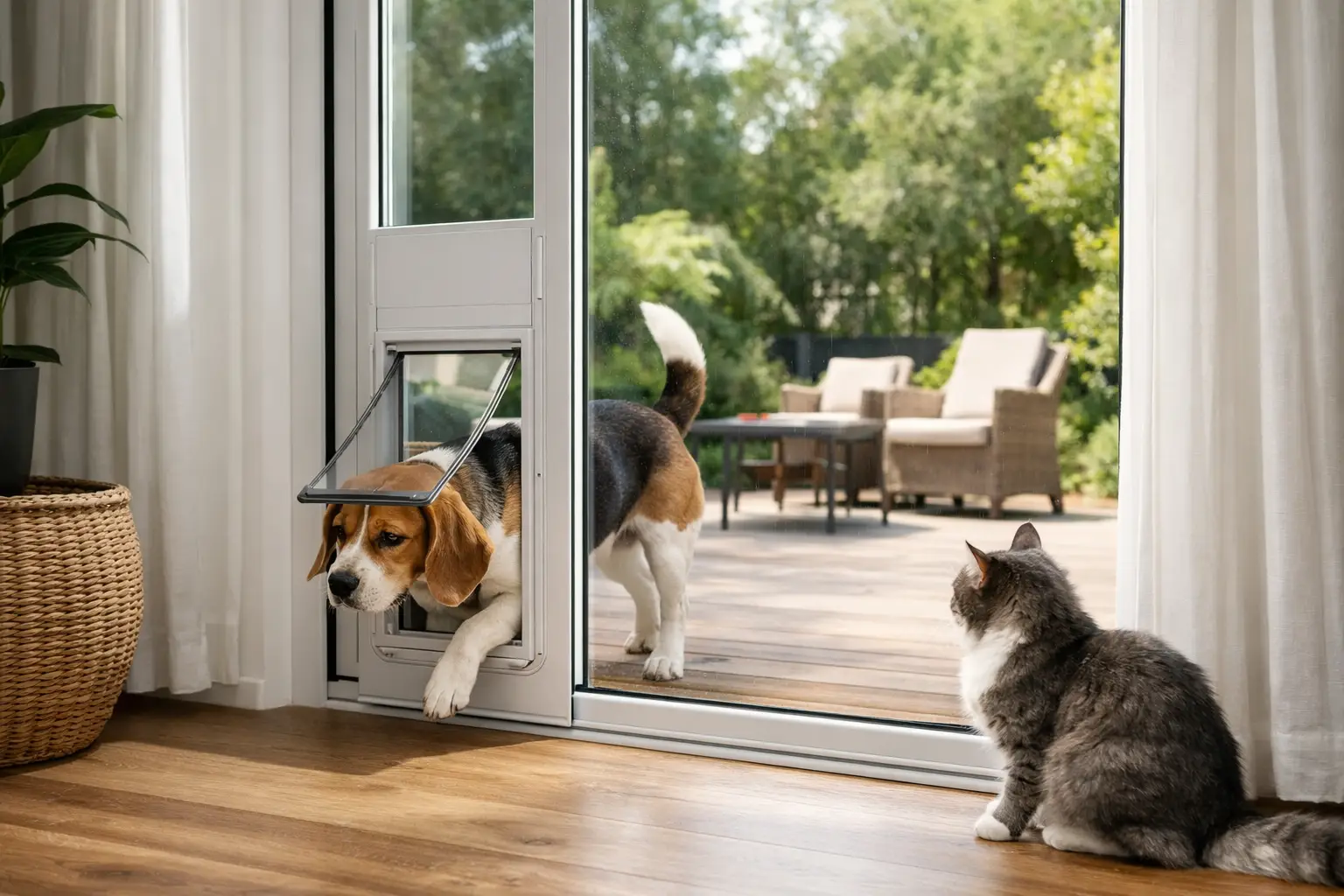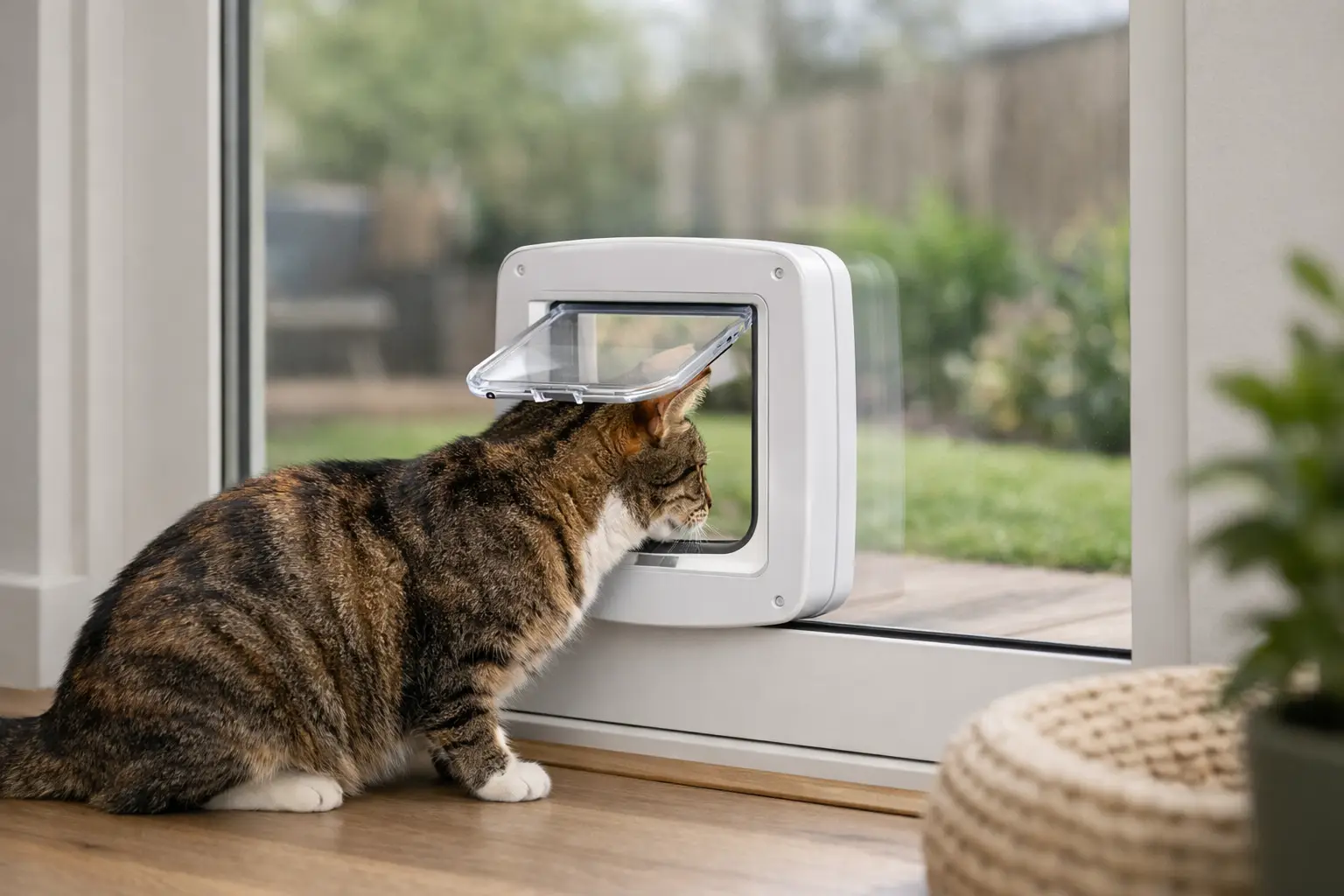
Single Glazed vs Double Glazed Pet Doors: What’s the Difference?
When homeowners compare a single glazed vs double glazed pet door, they often assume they need to choose between the two.
In reality, that’s usually not the case.
At Pet Doors Ontime, we don’t convert single glazing into double glazing, and we don’t replace double glazing with single glazing. Instead, we replace the existing glass like for like.
If your home has single glazing, we replace the glass with a new single-glazed panel manufactured to suit the pet door.
If your home has double glazing, we replace the entire insulated glass unit with a new double-glazed unit designed specifically for the pet door installation.
This distinction is important because your existing frames have been designed to accommodate a particular type of glass. In most cases, they are not designed to switch from single glazing to double glazing or vice versa without significant modifications.
Understanding this difference makes it much easier to understand how glass pet door installations work and what to expect during the process. Not sure if you have single or double glazing in your existing windows or doors. Check out our video below for a quick test you can do at home.
Why the Existing Glass Type Matters
Many homeowners contact us asking whether they should choose a single glazed or double glazed pet door.
However, the first question we ask is:
“What type of glass do you already have?”
That’s because the glazing type already installed in your home largely determines the replacement process.
A single-glazed panel and a double-glazed unit are built very differently. As a result, they require different manufacturing methods, different replacement processes, and different installation techniques.
If you’re still exploring whether glass is the right location, our guide to What You Need to Know About Installing Your Pet Door Into Glass explains the process in detail.
Single Glazed Pet Door Installations
Single glazing consists of one pane of glass.
When installing a pet door into single glazing, we remove the existing panel and replace it with a new single-glazed pane manufactured with the pet door opening already incorporated.
Many people assume installers simply cut a hole into the existing glass.
In most cases, that is not possible.
Modern glass doors and low-level windows typically use safety glass, and once safety glass has been manufactured, it cannot be cut or drilled.
Instead, we arrange for a replacement panel to be manufactured specifically for the pet door installation.
If you’d like to learn more about why safety glass is required, read Why Pet Doors Require Toughened Safety Glass.
Single-glazed pet doors are commonly installed in:
- Sliding glass doors
- Hinged glass doors
- Laundry doors
- Fixed glass panels
- Low-level windows
Because only one pane of glass is involved, the manufacturing process is generally simpler than double glazing.
Double Glazed Pet Door Installations
Double glazing consists of two panes of glass separated by a sealed air gap.
This sealed unit helps improve insulation, reduce heat transfer, and minimise external noise.
Because double-glazed units are sealed during manufacture, installers cannot modify the existing unit once it is installed.
Instead, we replace the entire insulated glass unit with a newly manufactured double-glazed unit that incorporates the pet door opening from the beginning.
Importantly, we replace the existing double-glazed panel with another double-glazed panel.
We do not replace double glazing with single glazing simply to accommodate a pet door.
Doing so would compromise the performance of the opening and would not suit the existing frame system in most cases.
For a deeper explanation of the process, read Installing Pet Doors Into Double Glazing.
We Replace Like for Like
This is one of the biggest misconceptions about glass pet door installations.
Many homeowners believe they must upgrade from single glazing to double glazing or downgrade from double glazing to single glazing when installing a pet door.
In reality, that’s rarely how the process works.
At Pet Doors Ontime, we replace:
- Single glazing with single glazing
- Double glazing with double glazing
The new glass panel simply incorporates the pet door opening during manufacturing.
This approach helps maintain the integrity of the original door or window system and ensures the replacement glass suits the existing frame.
Why You Can’t Simply Change Between Single and Double Glazing
Frames designed for single glazing and frames designed for double glazing are typically very different.
Double-glazed units are significantly thicker than single-glazed panels and require different glazing systems, seals, and rebates.
As a result, changing from one glazing type to another usually involves much more than replacing the glass itself.
In many cases, it would require modifications to the frame, door, or window system.
For pet door installations, the goal is much simpler:
Replace the existing glass with a new panel of the same type while incorporating the pet door opening.
What About Cost?
In most cases, double-glazed pet door installations cost more than single-glazed installations.
However, the difference is not because you’re choosing between glazing types.
It’s because double-glazed units are more complex to manufacture.
A double-glazed replacement panel includes:
- Two panes of glass
- Spacer bars
- Sealed air cavity
- Additional manufacturing processes
Single glazing involves only one pane of glass and therefore tends to cost less.
Does Double Glazing Still Provide Benefits With a Pet Door?
Yes.
While the pet door itself creates an opening within the glass, a professionally manufactured double-glazed unit still provides better thermal performance than replacing the panel with single glazing.
That’s one of the reasons we always replace double glazing with double glazing.
Homeowners who have invested in insulated glass usually want to maintain those benefits wherever possible.
A properly manufactured double-glazed unit helps preserve:
- Thermal performance
- Noise reduction
- Comfort
- Energy efficiency
Safety Glass Requirements Still Apply
Regardless of whether your home has single glazing or double glazing, safety requirements remain important.
Most doors and many low-level windows require safety glazing.
For this reason, replacement panels typically use Grade A Toughened Safety Glass that complies with Australian Standards.
Professional installers assess the existing glass, confirm the glazing requirements, and arrange replacement panels that meet the appropriate safety standards.
Choosing the Right Pet Door Still Matters
The glass type is only part of the decision.
You also need to choose a pet door that suits:
- Your pet’s size
- The installation location
- The available glass area
- Your security requirements
- Your home’s appearance
A pet door that works perfectly in a large sliding door may not suit a smaller window panel.
Likewise, larger dogs require larger openings, which can affect which glass panels are suitable for installation.
Before choosing a product, we recommend reading How to Choose the Right Pet Door Size.
The Best Way to Decide
If you’re considering a glass pet door, start by identifying the type of glazing already installed in your home.
That will determine the replacement process.
If you have single glazing, we’ll replace it with a new single-glazed panel manufactured for the pet door.
And if you have double glazing, we’ll replace it with a new double-glazed unit manufactured for the pet door.
From there, we can help you choose the right pet door size, location, and product for your pet and your home.
If you’re still weighing up your options, these articles may also help:
- Best Pet Doors in Australia
- 5 Ways to Make the Most of Your Pet Door
- 3 Common Misconceptions About Pet Doors
- Can You Install a Pet Door in a Hollow Core Door?
Final Thoughts
When comparing a single glazed vs double glazed pet door, it’s important to understand that you’re usually not choosing between the two.
Instead, you’re working with the glazing system already installed in your home.
At Pet Doors Ontime, we replace glass like for like, ensuring your new panel suits the existing frame while providing a safe, professional installation.
Whether your home features single glazing or double glazing, the goal remains the same: a pet door that looks great, works properly, and gives your pet the freedom they deserve.
Frequently Asked Questions
Can you install a pet door into single-glazed glass?
Yes. We replace the existing single-glazed panel with a new single-glazed panel manufactured specifically for the pet door.
Can you install a pet door into double-glazed glass?
Yes. We replace the entire insulated glass unit with a new double-glazed unit that incorporates the pet door opening.
Can you change single glazing to double glazing when installing a pet door?
Not typically. Existing frames are usually designed to accommodate a specific glazing type. For pet door installations, we generally replace like for like.
Can you replace double glazing with single glazing to save money?
We do not recommend this approach. Double-glazed frames are designed for insulated glass units, and replacing them with single glazing may affect performance and compatibility.
Does a double-glazed pet door still provide insulation benefits?
Yes. A professionally manufactured double-glazed unit continues to provide better insulation performance than a single-glazed alternative.
Why can’t you cut a hole into existing glass?
Most glass used in doors and low-level windows is safety glass. Once manufactured, safety glass cannot be cut or drilled without breaking.
How do I know if my home has single or double glazing?
Double glazing usually consists of two panes separated by a visible spacer bar around the perimeter of the glass. If you’re unsure, Pet Doors Ontime can help identify your glazing type during the quoting process.