How to Train Your Pet to Use a New Pet Door
Is your furry friend a little reluctant to use their new pet door?
Not all pets are as excited about their new pet door as their humans are. Some dogs and cats understand it almost immediately, while others need a little more time, encouragement and reassurance. If your pet has not quite got the hang of it yet, do not worry. This is very common.
A new pet door can feel strange at first. The flap moves, makes contact with their nose or back, and may lead to an outdoor area that looks or smells different from inside the home. With a calm approach and a few short training sessions, most pets can learn to use their new door confidently.
Start by Making Sure the Pet Door Feels Comfortable
Before training begins, check that the pet door is easy and comfortable for your pet to use.
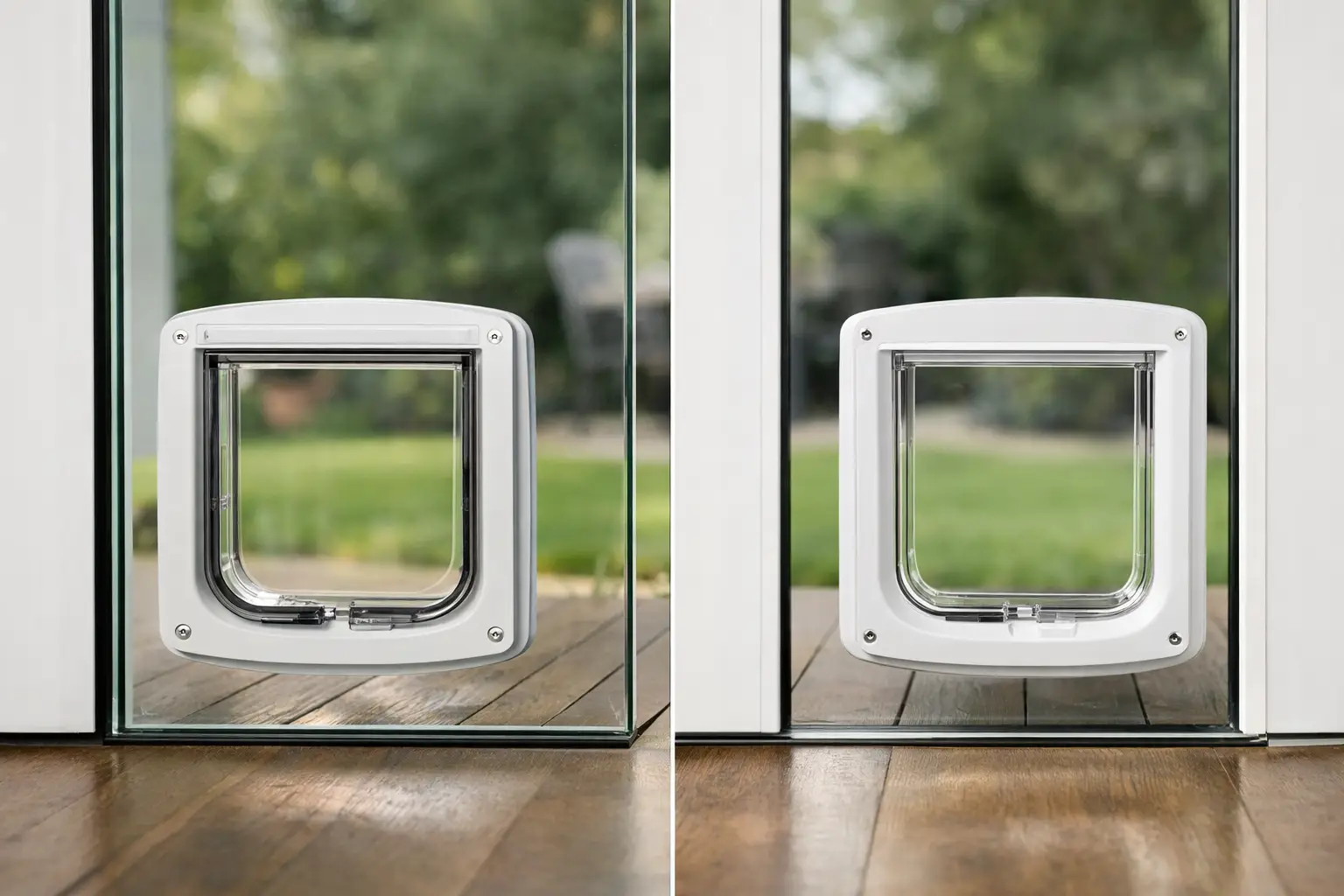
The opening should be large enough for your pet to pass through without squeezing, crouching too much or bumping the sides. The height should also allow them to step through naturally rather than jump or climb. If the flap feels too heavy, too stiff or too noisy, a cautious pet may need extra time to build confidence.
A correctly sized and professionally installed pet door gives your pet the best chance of success. Once the setup feels safe and easy, training usually becomes much smoother.
1. Start by Taping the Door Open
The first step is to remove the flap from the equation.
If your pet door model allows it, tape or secure the flap open so your pet can walk through the opening without needing to push against it. This helps them get used to the idea of moving through the doorway without the pressure of the flap touching their nose, head or back.
At this stage, the goal is simple: help your pet understand that the opening is safe.
Stand nearby and use a calm, encouraging voice. Avoid forcing your pet through the door, as this can make them more nervous. Let them approach at their own pace.
2. Use Treats as Incentives
Treats are one of the easiest ways to create a positive association with the new pet door.
Place a few of your pet’s favourite treats on the other side of the opening. You can also use a favourite toy if your pet is more play-motivated than food-motivated.
Encourage them to walk through the open doorway to collect the reward. When they do, praise them immediately. This helps them connect the pet door with something positive.
For best results, reward the behaviour as soon as it happens. Even small progress counts, including sniffing the opening, stepping closer, or putting their head through.
3. Include Their Favourite Humans
Pets often feel more confident when familiar people are nearby.
Ask one person to stand on each side of the pet door. One person can gently encourage your pet from behind, while the other calls them through with a treat, toy or calm praise.
Keep your tone relaxed and positive. Smiles, gentle voices and familiar faces can make a big difference, especially for nervous pets. They are more likely to try something new when they feel safe and supported.
This can be particularly helpful for pets who hesitate at the doorway or seem unsure about what is on the other side.
4. Keep Training Sessions Short
Short, focused sessions work best.
Limit each training session to around 10 minutes. A few brief sessions throughout the day are usually more effective than one long session. If your pet becomes tired, distracted or frustrated, take a break and try again later.
The aim is to finish each session on a positive note. Two or three successful passes through the door are better than pushing too hard and creating stress.
Patience is especially important for older pets, rescue animals, very cautious pets or pets that are sensitive to noise and movement.
5. Gradually Introduce the Flap
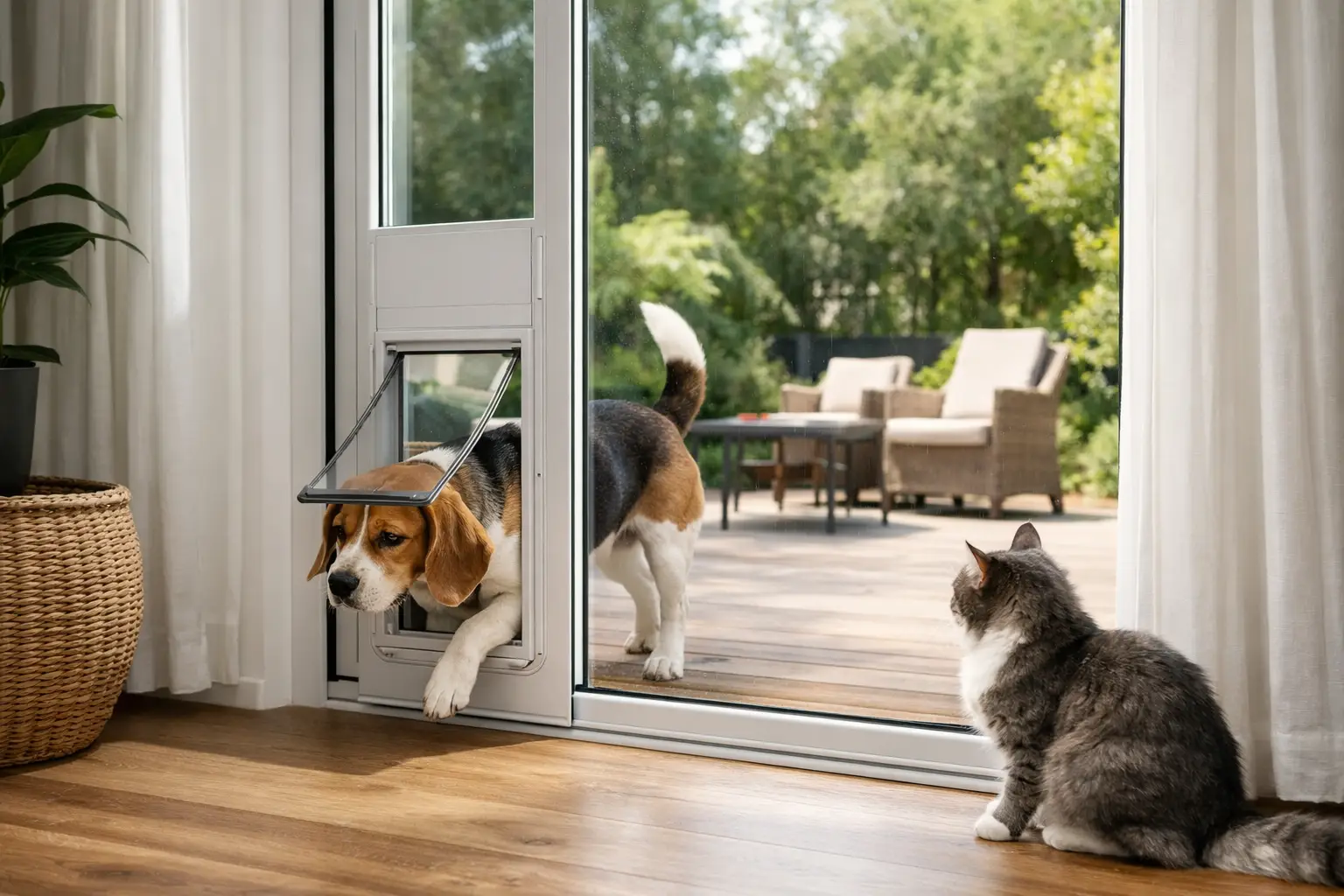
Once your pet is confidently moving through the open doorway, you can slowly introduce the flap.
Start by lowering the flap slightly so it gently touches your pet as they pass through. Continue using treats, praise and encouragement. If they become unsure, lift the flap again and repeat the easier step for a little longer.
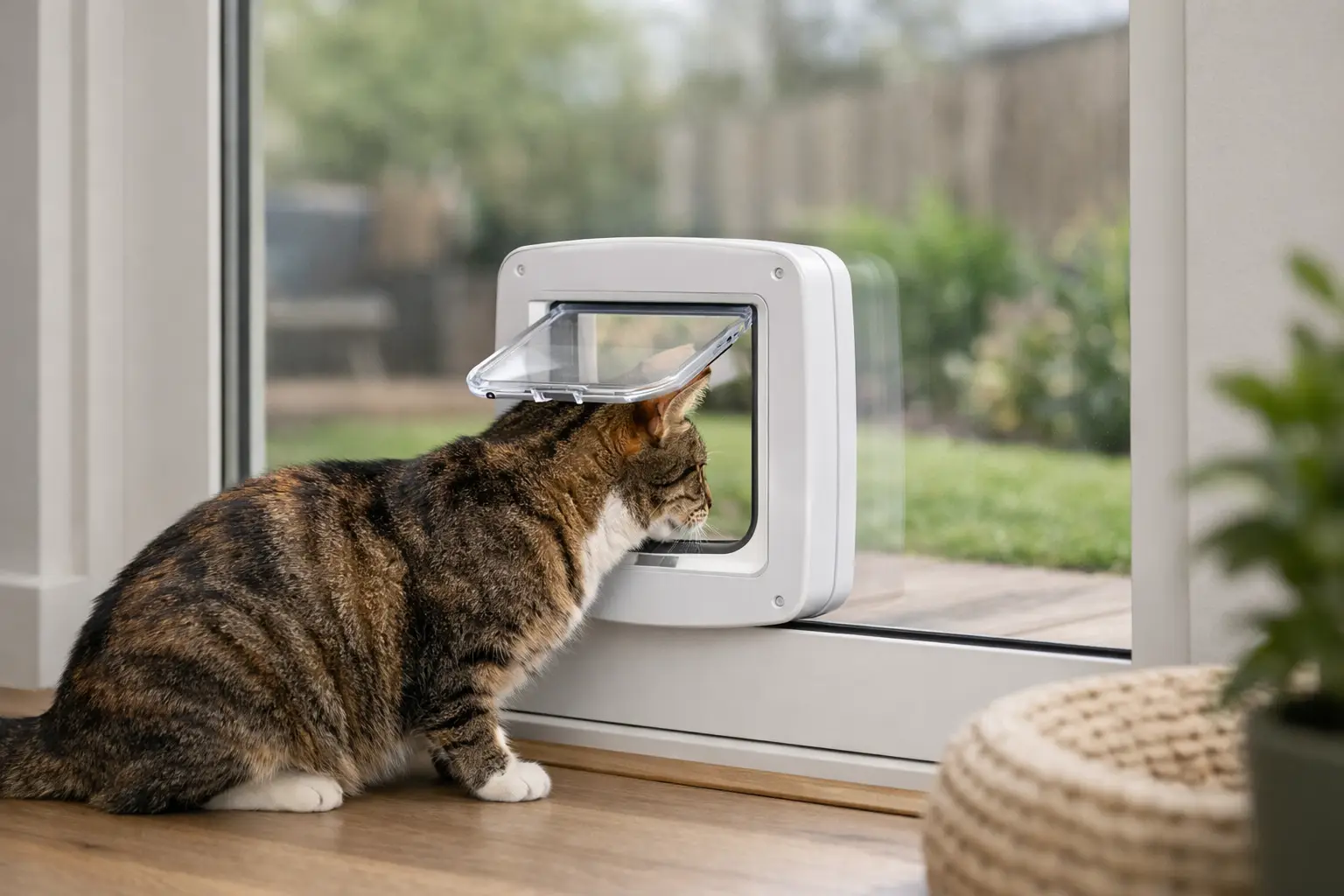
When they are ready, encourage them to nudge the flap with their nose or head. You can move the flap gently by hand a few times to show them how it works.
Do not rush this stage. For many pets, the moving flap is the part that takes the most getting used to.
What If Your Pet Still Will Not Use the Door?
If your pet is still hesitant, try to work out what part of the process is causing concern.
If they will go out but will not come back in, practise both directions equally. The door can look different from the outside, especially in bright light, low light or at night.
If they stop just before the flap, they may not like the feeling of it touching them. Go back to taping the flap open, then lower it gradually again over several sessions.
If their collar or tags hit the flap and make noise, this may be startling them. Try a quiet training session without distractions and see if they seem more relaxed.
If they are bumping the top or sides of the frame, the pet door may be too small or positioned awkwardly. In that case, training may not solve the problem, because your pet may simply be uncomfortable using the opening.
Never Force Your Pet Through
It can be tempting to give your pet a little push, especially if they are almost there. However, forcing them through the pet door can create a negative association.
Avoid pushing, pulling or trapping your pet near the opening. This may make them more reluctant next time.
Instead, go back a step. Tape the flap open again, use treats, keep your voice calm, and let them build confidence gradually.
How Long Does Training Usually Take?
Some pets learn to use a new pet door in one afternoon. Others may need several days or even a couple of weeks of gentle practice.
This is completely normal.
Look for small signs of progress, such as approaching the door, sniffing it, stepping through with the flap open, or nudging the flap for the first time. Celebrate each small success and keep the experience positive.
With time, patience and consistency, most pets learn that their new pet door gives them freedom and independence.
Final Tip
Patience is key. Your pet is not being stubborn — they are simply learning how to use something new.
Keep training sessions short, use plenty of encouragement, and introduce the flap gradually. Before long, your pet should be moving through their new pet door with confidence.
Good luck!
For more information about getting a pet door installed call Pet Doors Ontime on 1300 940 801. Or visit www.petdoorsontime.com.