A screen door usually gives up in the same spot every time. The lower corner, claw marks first, then a loose mesh panel, then a full tear after one excited run outside. If you are wondering how to protect a screen door from dogs, the right answer depends. Why is your dog pushing at it in the first place? How large they are? And do you want to keep the screen as a barrier or turn it into a proper access point.
For some households, a simple reinforcement panel is enough. For others, repeated scratching is a sign that the screen door is doing a job it was never designed to do. That’s where choosing the right fix matters. A quick patch can save money today, but a better long-term solution often prevents repeat damage and keeps the door looking tidy. Not to mention it makes daily life easier for both you and your dog.
Why dogs damage screen doors
Most dogs are not trying to destroy the door. They’re responding to movement, noise, separation, or routine. A dog that can see the backyard, hear a neighbour, or spot someone arriving home often jumps, paws or leans against the meshs. Standard flyscreen material is jsur not made for repeated clawing, and can wear pretty quickly. s
The pattern of damage tells you a lot. Scratches concentrated at paw height usually mean your dog wants to get out or back in. Damage near the handle side can point to pacing and scratching. If the whole lower section bows outward, the dog may be leaning or launching at the door rather than just pawing at it.
That difference matters because the best fix for scratching is not always the best fix for impact. A stronger mesh may handle claws better, but it still will not solve a dog charging the door when they hear the postie.
How to protect a screen door from dogs without making the door awkward
The most effective approach is to match the protection method to the level of use. If your dog only occasionally paws at the mesh, a physical guard over the lower section can work well. If the behaviour happens every day, a dedicated pet door is usually the cleaner and more durable answer.
A lot of homeowners try to solve the problem with heavy DIY mesh, improvised barriers, or temporary covers. Some of those measures help for a while, but they can also reduce airflow, look untidy, or interfere with how the screen door closes. In rental properties or homes with quality security screens, that can create a second problem on top of the first.
The goal is not just to stop the tearing. It is to protect the door while keeping the entrance safe, functional, and presentable.
Start with the simplest physical protection
If the screen itself is still in reasonable condition, adding a protective barrier to the lower portion of the door is often a good first step. This is especially useful for small to medium dogs that scratch rather than body-slam. A clear or powder-coated guard can shield the mesh from direct claw contact while preserving ventilation and visibility.
This option suits households where the dog is supervised or where the behaviour is occasional. It’s less effective if the dog is determined to get through the door. Or if there are multiple dogs using the same entrance several times a day. In these cases, the guard protects the mesh, but the pressure on the frame and fittings is going to continue.
You should also check whether the screen door itself is the right type for reinforcement. Some lightweight doors can only take limited modification before they start rattling, sagging, or misaligning.
Consider pet-resistant mesh, but know its limits
Pet-resistant mesh is stronger than standard flyscreen and can be a good upgrade where clawing is the main issue. It’s designed to handle more wear and tear, and it generally lasts longer in homes with active pets. For households with one dog that likes to tap or scratch at the door, it can buy you a lot more life from the screen.
That said, stronger mesh is not the same as a dog-proof door. Larger dogs, persistent scratchers, and dogs that jump with force can still damage the panel or the frame around it. You also need to consider the type of door. On security screens, the mesh and frame system are more specialised, and replacement or modification should be handled carefully to avoid affecting fit, performance, or compliance.
If your screen door has already been repaired more than once, consider upgrading the mesh.
A pet door often solves the real problem
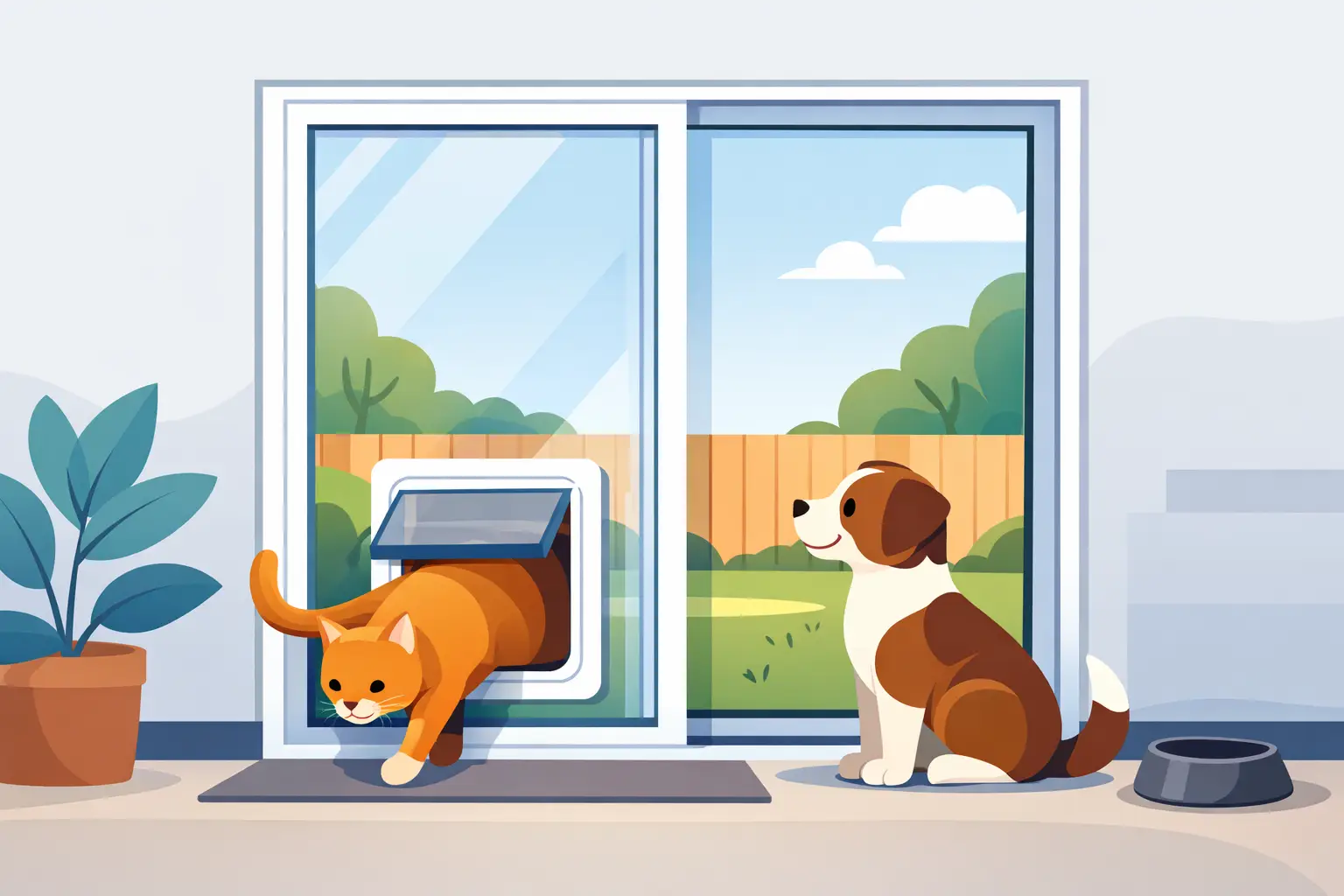
When dogs scratch because they want access, giving them a proper access point is often the most practical fix. Instead of asking a screen door to withstand repeated pawing, you give your pet a safe, dedicated entry and exit. This reduces stress on the screen and usually cuts out the behaviour that causes the damage.
This is where a lot of people hesitate, especially if the door is a security screen, glass panel, timber door, or double-glazed unit. The concern is fair. These are not surfaces you want to experiment with. A poor cut can affect security, weather resistance, or the appearance of the door. Glass installations in particular require the right process and materials.
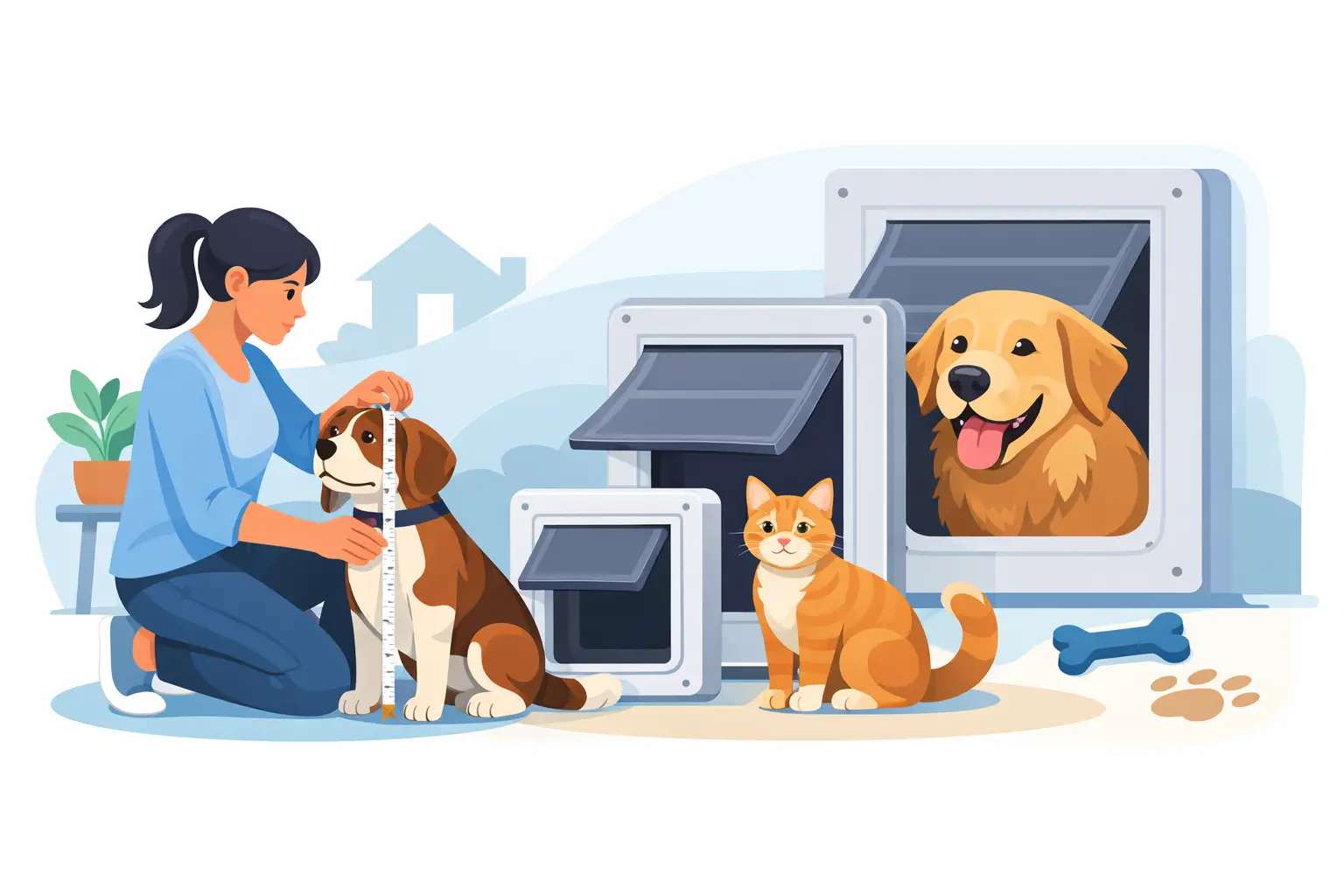
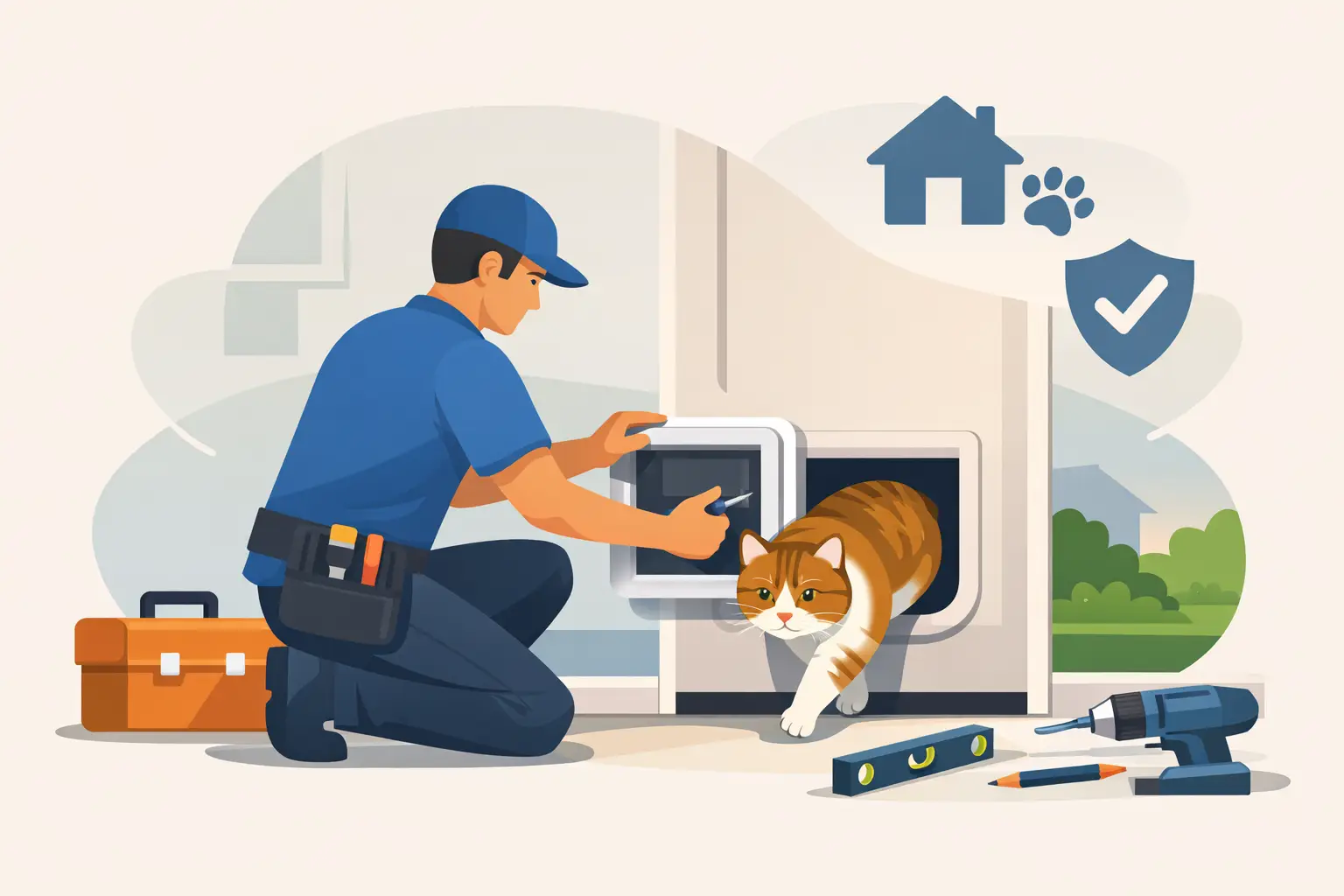
A professionally fitted pet door is different from a basic off-the-shelf attempt. The opening is measured for your pet, the product is matched to the door type. The installation is then done to suit the structure rather than forcing a one-size-fits-all solution.
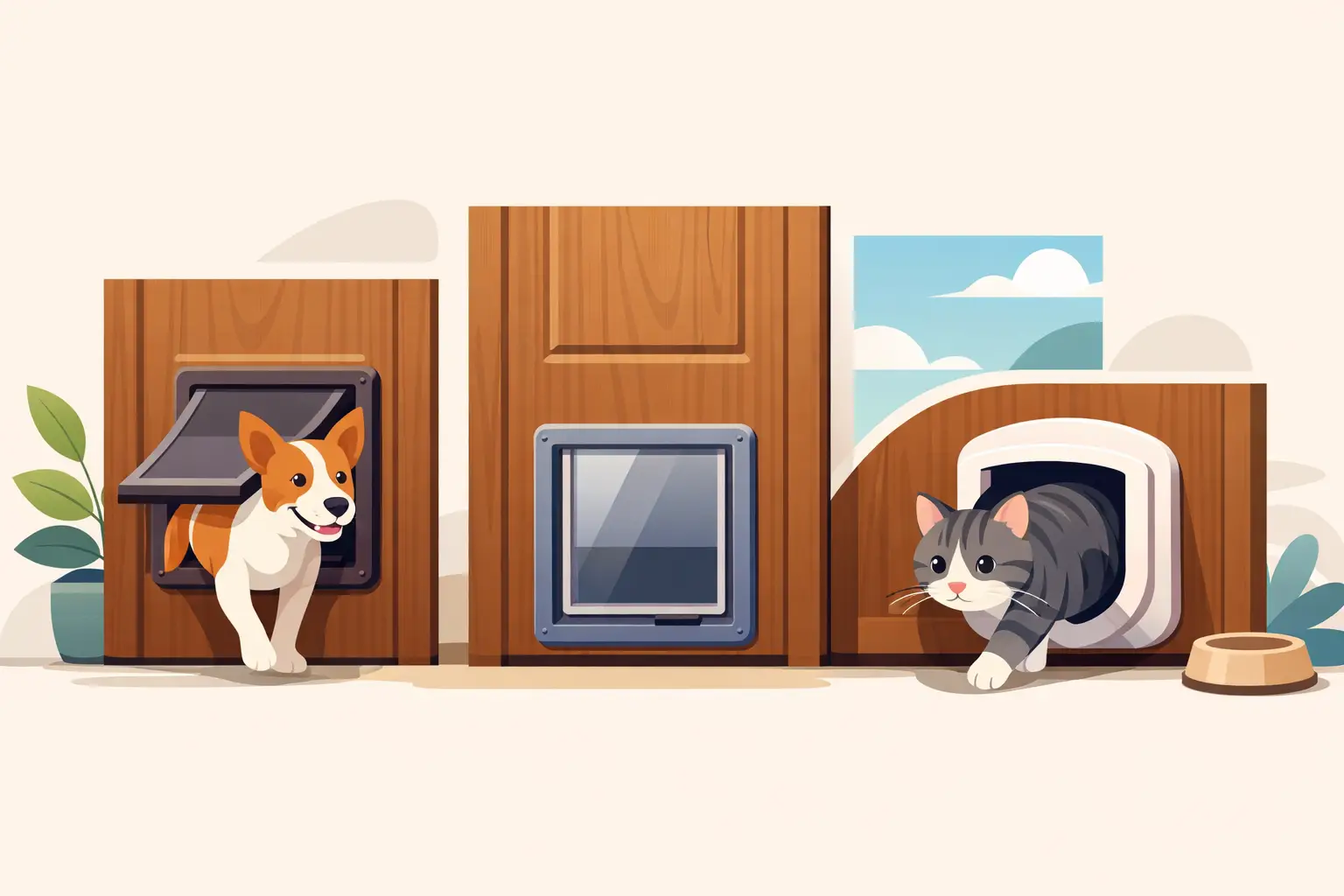
How to protect a screen door from dogs in different door types
Not every home has the same setup, and the right solution changes with the material.
Security screen doors
These need extra care. The mesh, frame strength, and locking function all matter. If your dog is damaging a security screen, a standard patch job may not hold up, and an incorrect modification can compromise the door. In many cases, installing a pet door designed for security screens is the better long-term option.
Timber doors with screens nearby
If the screen door sits in front of a timber entry, you may have more flexibility. Some homeowners choose to stop relying on the screen as the pet access point and install a pet door into the timber door instead. Or install a pet flap into both the timber and screen to work in tandem. This can preserve the screen and create a neater traffic flow for the dog.
Glass doors and sidelights
Glass is where DIY usually goes wrong. Toughened safety glass cannot simply be cut on site once installed. If a pet door is going into glass, the panel generally needs to be replaced with a new Grade A Toughened Safety Glass pane manufactured with the required opening. For double glazing, the process is more specialised again because the unit has to be remade to suit the pet door.
That sounds like a bigger job because it is. But it is also the correct one. If your dog keeps damaging a nearby screen because they need access, moving that access point to glass can be a smart, tidy solution when handled by the right installer.
Training helps, but it rarely fixes a bad setup on its own
Behavioural training has a place here. Teaching your dog to wait at the door, use a pet door properly, or settle instead of scratching can reduce damage. It is worth doing, especially with younger dogs or anxious pets.
Still, training works best when the home setup supports it. If a dog needs to toilet, can see the yard, and has no easy way through, they will keep returning to the screen. You can discourage the behaviour, but if the access problem stays the same, the screen often stays at risk.
In busy homes, practical design usually wins. A dog that can move through a suitable pet door is less likely to claw at a barrier every time someone is on a work call, cooking dinner, or out for the afternoon.
When repair stops making sense
If you have replaced the mesh, added guards, and adjusted routines but the damage keeps returning, it’s time to stop treating the symptom. Ongoing patching can become more expensive than installing the right solution once. It also leaves you with a door that never quite looks right.
This is especially true in homes with larger breeds and multi-pet households where repeated wear leads to frame damage as well as torn mesh. At this point, the best outcome is often a professionally installed pet door.
For Australian households dealing with security screens, glass doors, timber doors, or double glazing, specialist installation removes a lot of risk. Pet Doors Ontime handles exactly these situations, including the more technical in-glass and double-glazed applications that need proper measurement and compliant replacement materials.
The best fix is the one that suits your dog, your door, and how your home actually works. If the screen door is taking a daily hammering, protecting it may mean reinforcing it – or finally giving your dog a better way through. Learn More.