Double Glazed Pet Door Installation: Everything You Need to Know
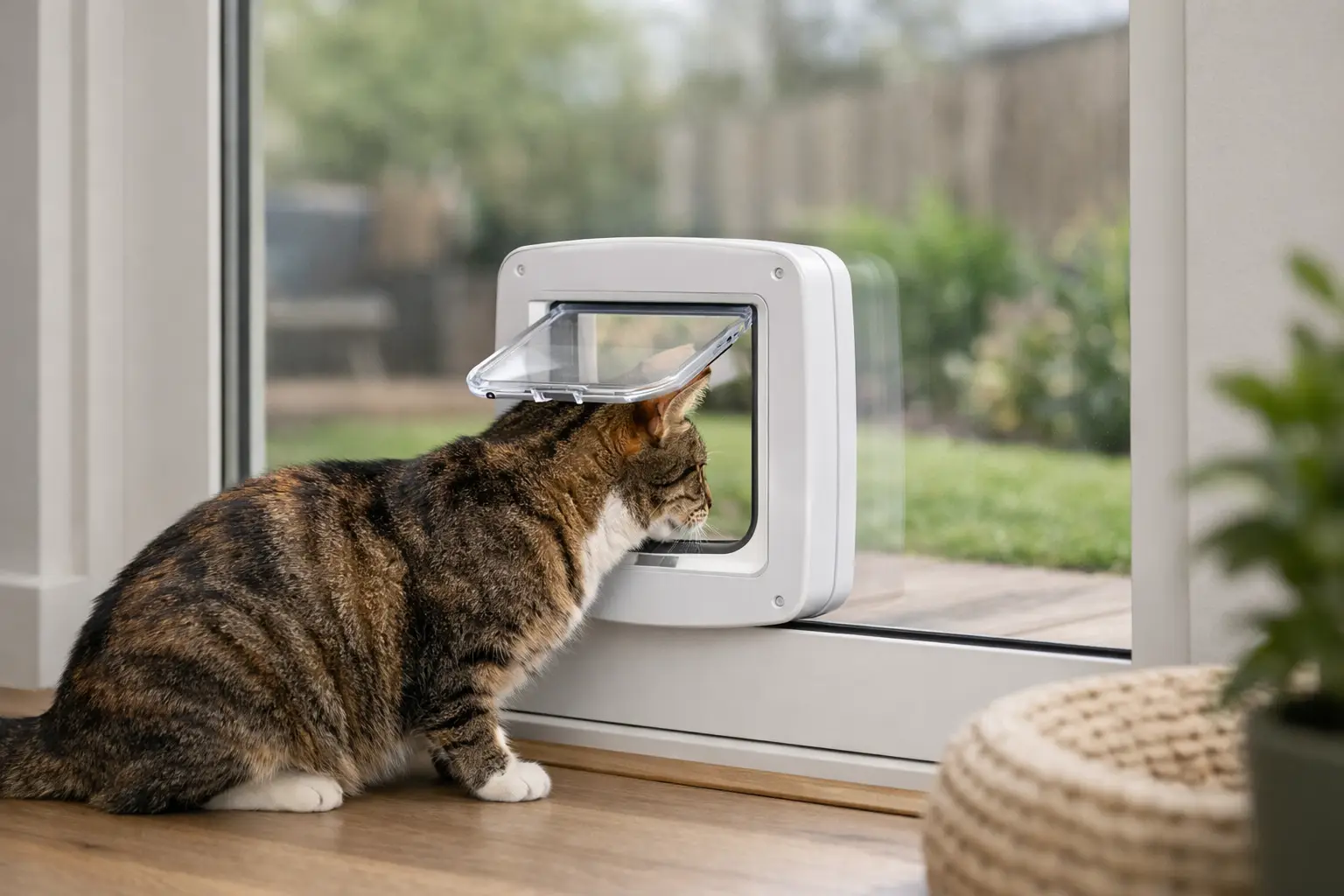
A double glazed pet door sounds simple enough. Choose a pet door, book an installer, and give your cat or dog the freedom to come and go.
However, double glazing needs a different approach.
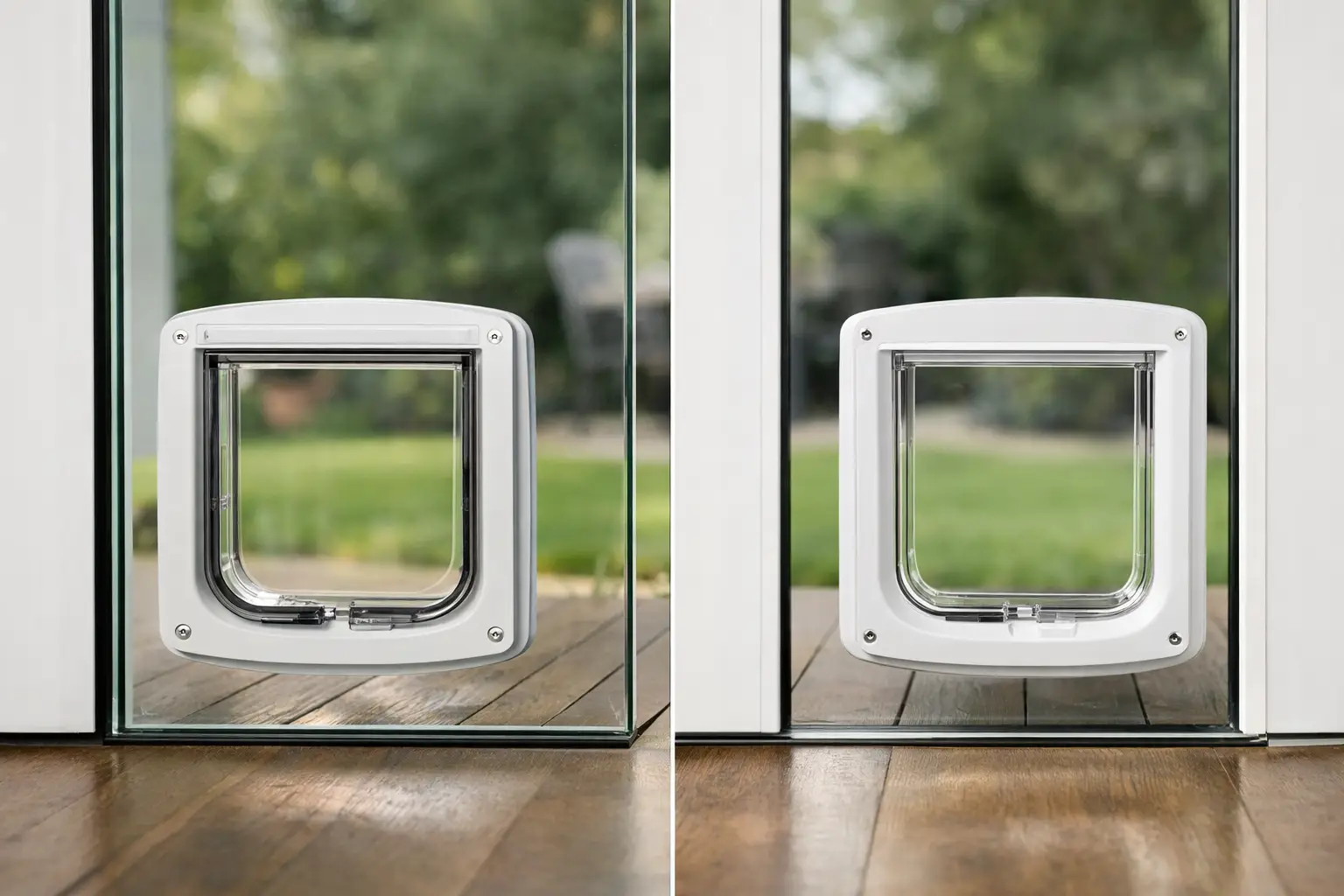
The pet door itself is not double glazed. Instead, the pet door gets installed into a new double glazed glass unit that is custom made for your door or window. This matters because installers usually cannot cut the double glazed glass you already have on site.
The good news is that you do not need to choose between the comfort of double glazing and the convenience of a pet door. With the right product, accurate measurements, and professional installation, your pet can enjoy easy outdoor access while your home keeps the benefits of double glazed glass.
If you are still deciding whether glass is the right location for your pet door, our guide to installing pet doors in glass explains the process in more detail.
What is the difference between single glazing and double glazing?
Single glazing means one pane of glass. Many older homes have single glazed windows, laundry doors, sliding doors, and fixed glass panels.
Double glazing uses two panes of glass separated by a spacer and sealed together as one insulated glass unit. The gap between the panes helps improve thermal performance and reduce outside noise.
That sealed construction gives double glazing its benefits. It also explains why a pet door cannot simply be cut into an existing double glazed panel. If you’re unsure whether your existing glass is single or double glazed – check out our You Tube video.
Can you install a pet door into double glazing?
Yes, you can install a pet door into double glazed windows and doors.
However, the process differs from installing a pet door into timber, screen doors, or some single glazed glass panels. In these cases, a glazier replaces the existing double glazed unit with a new custom-made insulated glass unit that includes a factory-prepared cut-out for the pet door.
The process usually includes:
- Measuring the existing glass panel
- Checking the glass type and frame details
- Choosing the right pet door
- Confirming the best height and position for your pet
- Ordering a new double glazed unit with the correct cut-out
- Replacing the old glass panel
- Installing the pet door into the new glass unit
This process works much like a professional glass replacement project. The difference is that the new glass also includes the correct opening for your chosen pet door. You can learn more about glass replacement through Glass Ontime.
Why your existing double glazed glass usually cannot be cut
A double glazed unit is sealed around the edges. Once that seal breaks, the unit can lose its insulating performance. It may also develop condensation between the panes.
For this reason, professional installers do not cut into existing double glazed panels on site.
Instead, they replace the panel with a new one made specifically for the pet door. This protects the integrity of the glass unit and creates a much cleaner finish.
Common myths about double glazed pet doors
Many homeowners think an installer can simply cut a hole into their existing double glazed glass and fit a pet door. Unfortunately, this is one of the most common misconceptions.
Once manufacturers toughen and seal a double glazed unit, nobody can cut or modify it without damaging the glass.
Another common myth is that double glazing limits your pet door choices. In reality, many quality pet doors can work well in double glazed glass when installers use the right adapters, spacers, and installation methods.
You can see examples of completed installations on the Pet Doors Ontime YouTube Channel, where we share pet doors installed into glass doors, sliding doors, fixed panels, and double glazed units.
Are all pet doors suitable for double glazing?
Not all pet doors suit double glazing in the same way.
Some pet doors work beautifully in double glazed glass. Others suit timber doors, security screens, or single glazed glass better. The right choice depends on the thickness of the glass, the style of the opening, your pet’s size, and whether the door slides.
Some pet doors also need modifications or adaptations to suit double glazing properly.
For example, the Premium Underbelly Pet Door from Pet Doors Australia can work very well in double glazed glass, especially when homeowners want a premium finish. Optional spacers help it sit neatly within thicker double glazed units, creating a clean and seamless result.
This is where product knowledge matters. A pet door that looks fine on a shelf may not be the best choice once you consider glass thickness, sliding door clearance, pet size, weather exposure, and security.
If you are comparing products, our article on the best pet doors in Australia covers some of the most popular options available.
Choosing the right pet door for double glazed glass
The best double glazed pet door is the one that suits both your pet and your home.
Before choosing a pet door, consider:
- Your pet’s shoulder height & width
- Your pet’s weight & breed
- Whether your pet is still growing
- The step-over height from the floor
- Whether the glass door slides, swings, or stays fixed
- How exposed the door is to wind and rain
- Do you need a lockable cover
- Whether the pet door needs spacers or other adaptations
Many homeowners focus on the pet door style and forget about sizing. However, correct sizing plays a major role in a successful installation. A flap that is too small may discourage your pet from using it. A flap that is too large may look out of proportion and create unnecessary security concerns.
Before selecting a pet door, read our guide on how to choose the right pet door size. Measuring your pet correctly can prevent expensive mistakes later.
Why sliding doors need extra care
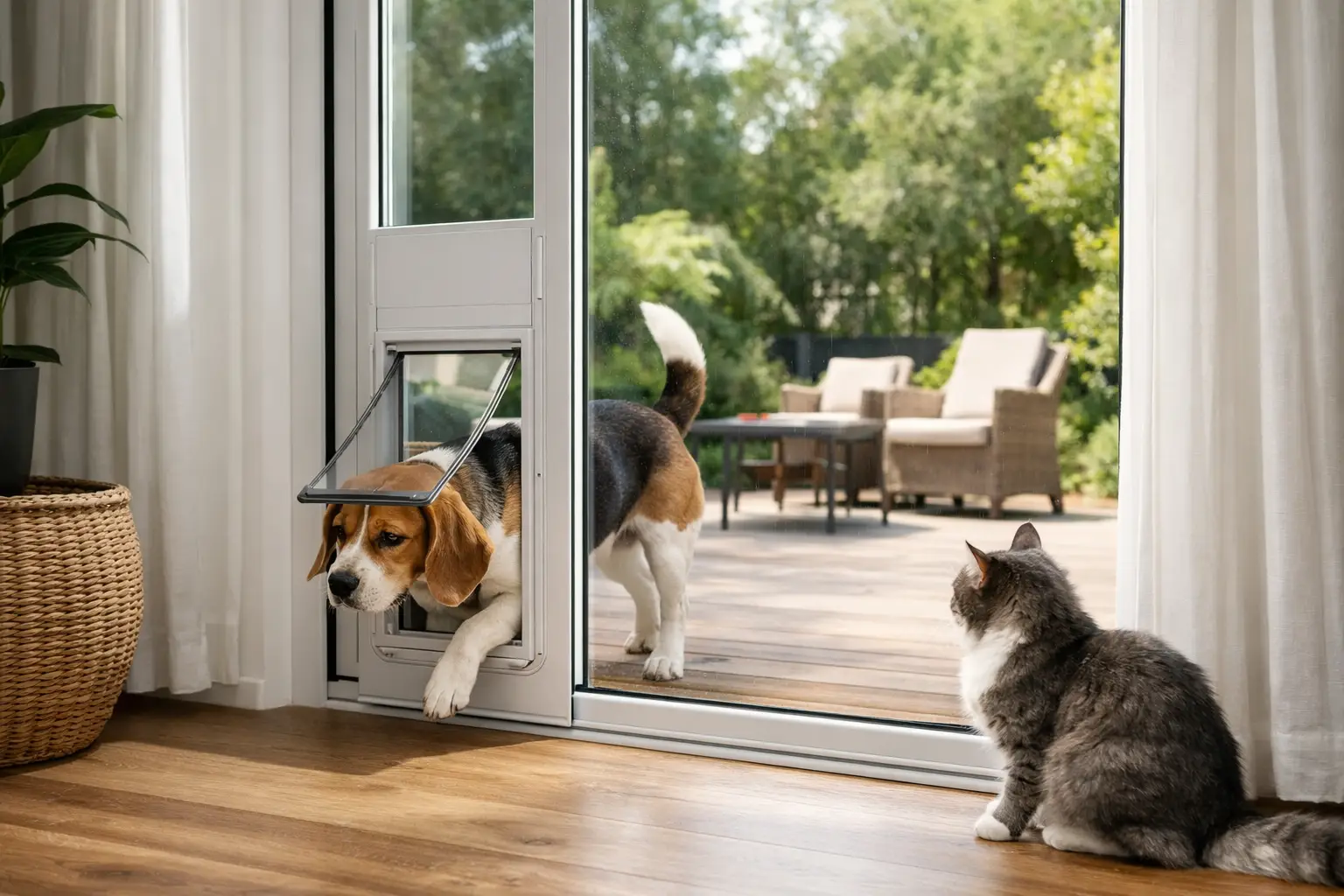
Many double glazed pet door installations involve sliding glass doors.
Sliding doors need extra consideration because the pet door frame must not interfere with the moving panel or the fixed panel. If the pet door frame is too chunky, the sliding door may not operate properly.
This is why slimline pet door designs often work best in sliding glass doors.
Our installation team regularly shares examples of sliding door installations on the Pet Doors Ontime YouTube Channel. These videos show how different pet doors look once fitted into glass.
Why pet door position matters
Pet door placement matters just as much as pet door size.
If the flap sits too high, your dog may need to jump or crouch every time they use it. This can become uncomfortable, especially for older pets, short-legged breeds, puppies, and pets with mobility issues.
If the flap is too small, your pet may clip their back, rub their shoulders, or refuse to use it altogether.
A good installer considers both the glass requirements and your pet’s comfort. The goal is a pet door that looks neat, works properly, and feels natural for your pet to use every day.
Does a pet door affect insulation?
Many homeowners worry that a pet door will reduce the energy efficiency of their double glazing.
A properly manufactured replacement double glazed unit helps preserve most of the thermal and acoustic benefits of the original glass. However, the pet door itself still matters. Better quality flaps usually offer stronger weather resistance and better sealing.
If the opening faces wind, rain, or a cold outdoor area, choose a quality pet door with good sealing.
If you would like to understand more about glass replacement, safety glass, and double glazed units, visit Glass Ontime.
What about safety glass?
Glass doors and low-level glass panels usually need to meet safety requirements. In many residential situations, this means using Grade A Safety Glass.
This is another reason professional measuring and installation matter. The cut-out for the pet door must be planned before the new glass is manufactured. Once toughened safety glass has been made, it cannot be cut.
How long does double glazed pet door installation take?
Double glazed pet door installation usually happens in stages.
First, the installer measures the panel and confirms the pet door details. Then the new double glazed unit is ordered. Once the glass is manufactured, the installer returns to remove the old panel, install the new one, and fit the pet door.
The final installation is usually straightforward, but the manufacturing stage means you should allow for lead time.
How does double glazed pet door installation compare with other options?
| Installation type | Can installers use the existing surface? | Is new glass required? | Typical timing |
|---|---|---|---|
| Single glazed glass | Usually no | Usually yes | Depends on glass supply |
| Double glazed glass | No | Yes | Requires custom glass manufacture |
| Timber door | Yes | No | Often faster |
| Security screen | Usually yes | No | Depends on screen type |
Some homeowners choose to install a pet door in a nearby timber door or security screen instead. This can reduce cost and avoid replacing a glass panel.
If you are considering other installation locations, these guides may help:
The best location depends on your home layout, your budget, and the entrance your pet naturally uses.
Watch a double glazed pet door installation
If you have never seen a double glazed pet door installation before, it can be hard to picture how the process works.
Many homeowners feel surprised when they learn that installers cannot simply cut a hole into the existing double glazed glass. Instead, a glazier measures the panel, orders a brand-new double glazed unit with a factory-cut opening, and then replaces the original glass before fitting the pet door.
Watching a real installation often makes the process much easier to understand.
On the Pet Doors Ontime YouTube Channel, you can view examples of pet doors installed into sliding doors, fixed glass panels, and double glazed units. These videos show the finished result, explain how different pet doors work in glass, and help homeowners choose the best option for their pets.
For more information about glass replacement and double glazed glass, visit the Glass Ontime YouTube Channel.
What you can learn from our installation videos
Our installation videos can help you understand:
- How double glazed pet door installations work
- Why existing double glazed glass usually needs replacing
- The difference between single glazing and double glazing
- Which pet doors suit sliding glass doors
- How installers choose the correct pet door height
- Why slimline pet doors often work best in sliding door applications
- How products like the Premium Underbelly Pet Door achieve a clean finish in double glazed glass
If you embed a YouTube video directly into this article, visitors can see the process for themselves and stay on the page longer.
Is a double glazed pet door worth it?
For many homes, yes.
A double glazed pet door is a great option if your pet mainly uses a glass sliding door, fixed glass panel, or glazed laundry door. Giving your pet freedom without forcing you to leave doors open or constantly act as the door butler.
A permanent pet door solution can also look much cleaner than temporary panel inserts, especially when the right pet door is matched to the glass.
It may not be the cheapest installation type, but it often provides the best long-term result when you want a neat, secure, and professional finish.
Questions to ask before booking
Before booking a double glazed pet door installation, ask:
- Does the installer regularly work with double glazed units?
- Will the existing glass need to be replaced?
- What type of safety glass will you use?
- Which pet doors suit my double glazed panel?
- Will the pet door need spacers or adaptations?
- Is the pet door slim enough for a sliding door?
- How will you match the flap height to my pet?
- What does the quote include?
These questions help you avoid poor product choice, awkward flap height, and expensive mistakes.
Double glazed pet door installation done properly
Installing a pet door into double glazing is not simply a matter of cutting a hole in glass. It requires accurate measuring, safety-compliant glass, the right pet door, and experienced installation.
At Pet Doors Ontime, we help homeowners across Australia install pet doors into glass, double glazing, timber doors, and security screens. Our team can help you choose the right product, measure correctly, and achieve a finished installation that looks like it belongs there.
With the right advice, you do not need to compromise comfort for convenience. Your home can keep the benefits of double glazing, and your pet can enjoy the freedom of their very own door.
Frequently asked questions about double glazed pet doors
Can you put a pet door in double glazed glass?
Yes. In most cases, a glazier replaces the existing double glazed unit with a new custom-made unit that includes a factory-cut opening for the pet door.
Can you cut an existing double glazed window for a pet door?
No. Once a double glazed unit has been manufactured and sealed, installers usually cannot cut it without destroying the glass and damaging its insulation properties.
What is the best pet door for double glazing?
The best pet door depends on your pet, the glass thickness, and whether the door slides. Slimline models and pet doors designed for glass installations often provide the best result.
Does a pet door reduce the benefits of double glazing?
Yes – in most instances. A quality replacement double glazed unit retains most of the thermal and acoustic benefits of the original glass. Choosing a pet door with good weather sealing also helps.
How long does double glazed pet door installation take?
Most projects require measuring, glass manufacturing, and installation. Lead times vary depending on the glass specifications, pet door model, and location.
Can you install a dog door in a double glazed sliding door?
Yes. However, sliding doors need a pet door with a suitable slimline profile so the moving panel can still operate properly. Slimline pet doors often work best.