A security screen does two jobs at once – it keeps your home protected and lets fresh air through. That’s exactly why many homeowners hesitate when installing a pet door into security screen panels. One wrong cut, poor product choice, or loose fit can , leave you with a flap that never works properly. The good news – security screen pet door installation is absolutely possible when the screen type, pet door model, and fitting method all line up.
Can you install a pet door in a security screen?
In many cases, yes. But it depends on the screen itself and the pet door type.
Not all security screens are built the same. Some use diamond grill with flyscreen mesh. Others use perforated aluminium or stainless steel mesh designed to meet higher security standards. The way a pet door is installed changes depending on the frame style, grill pattern, mesh strength, and available clearance at base of door.
Not all pet doors are built the same. This is where many DIY jobs go off track. A pet door that suits a standard flyscreen door may not suit a true security screen. The frame needs to sit correctly, the fixing points must be sound, and the flap needs to swing without catching. If the wrong model is forced into place, the result is often a weak finish that looks rough and does not last.
What matters before you install a pet door into security screen doors
Before installing a pet door in a security screen, the first thing to consider is the construction of the door itself. A lightweight screen door is very different from a heavy-duty security screen, and the installation method needs to suit the door type. Some screen doors can accept a neatly framed pet door with only minor modification, while others need a more careful approach to help preserve strength, appearance and everyday usability.
Pet size is just as important. A flap that is too small can make the door awkward or uncomfortable for your dog or cat to use. A flap that is too large may require more of the screen or grille to be removed than is ideal. The right size should be based on your pet’s height and width, not just their breed. This is especially important for broader dogs, older pets, and homes where more than one animal will be using the same opening.
Placement also needs to be planned carefully. If the pet door is installed too low, it may interfere with the bottom rail. If it is installed too high, your pet may struggle to step through comfortably. Security screens can also include decorative grille sections, privacy mesh, or tighter structural areas that need to be worked around. A good installation should give your pet easy access without unnecessarily compromising the screen door.
What about sliding screen doors?
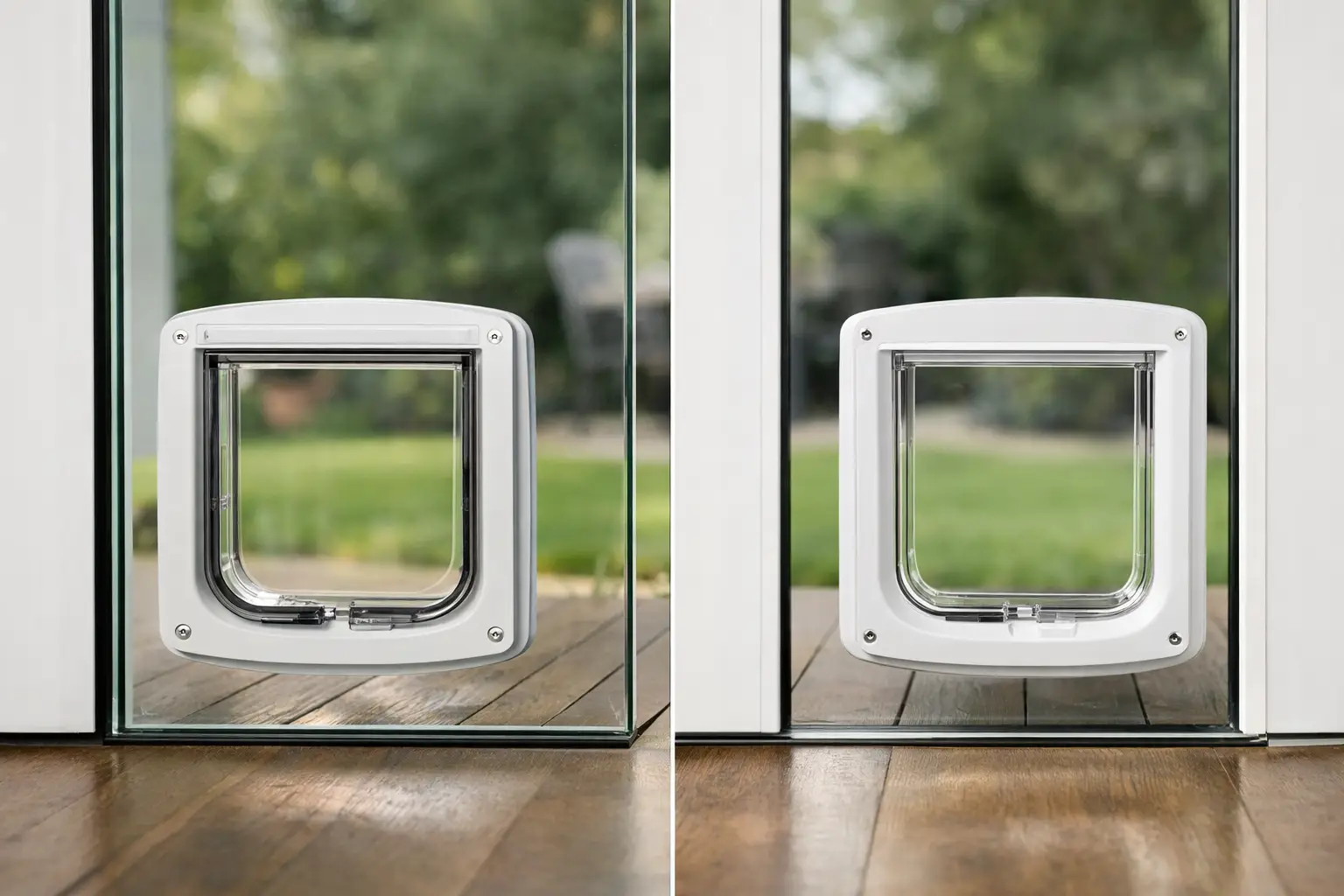
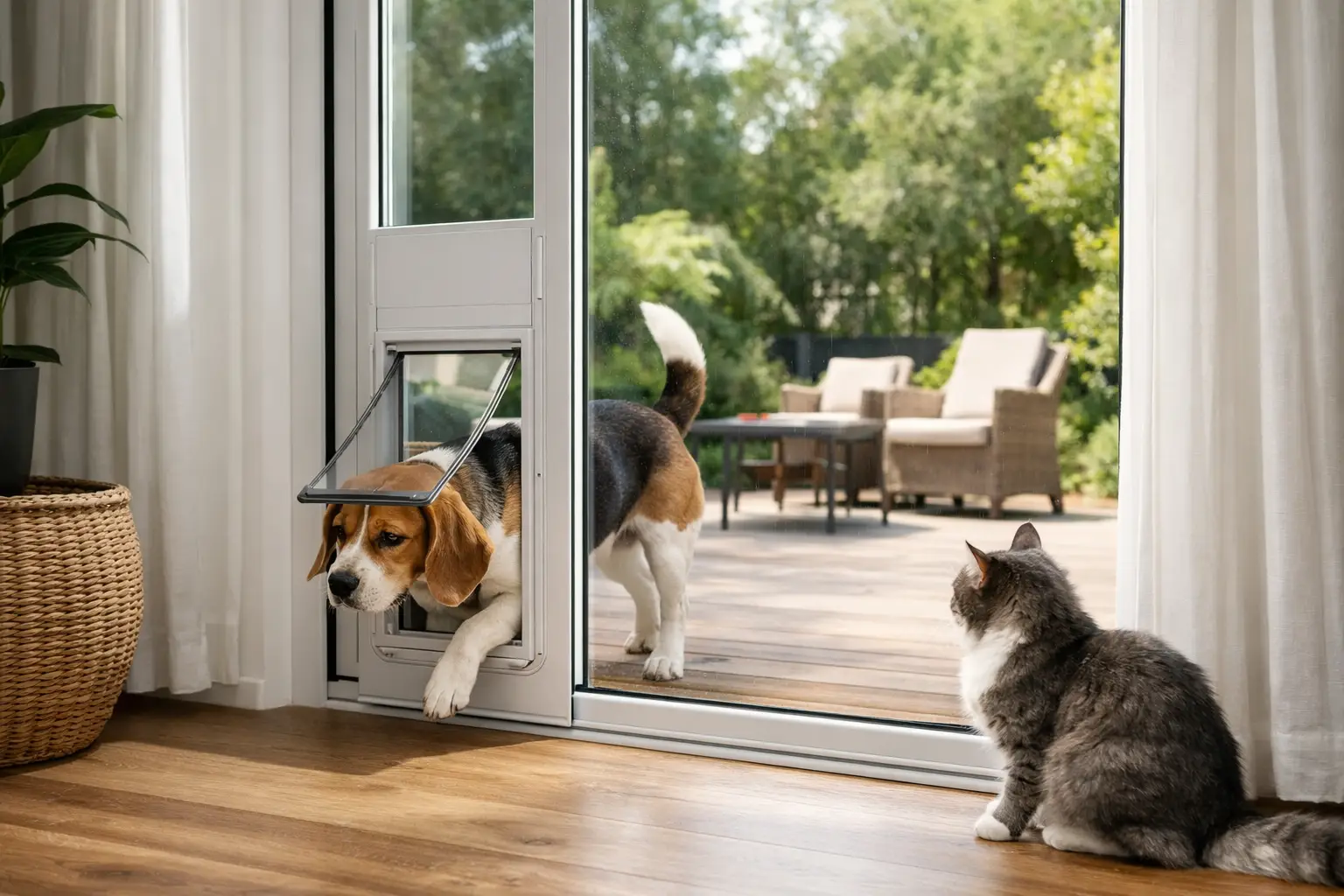
For sliding screen doors, the profile of the pet door is especially important. The pet door needs to be slim enough so the sliding panel can continue to move freely past the fixed panel without catching or rubbing. This applies to both sliding screen doors and glass sliding doors. Bulkier pet doors, including many selective entry or smart pet doors, are usually not suitable because they can be too chunky for the available clearance. In many cases, a slim-profile option such as the Hakuna Super Tough may be more suitable than a larger or bulkier style like the Hakuna Deluxe Aluminium, depending on the door and available space.
The goal is to choose a pet door that suits the screen, the sliding clearance, and the size of your pet. A strong pet door is important, but it also needs to work with the way the door opens and closes. This is why checking the door type, clearance, frame design and pet size before installation can prevent problems later.
Why security screen installation is different from standard doors
A timber door gives you a solid panel to cut and reinforce. A security screen does not. You are dealing with metal components, mesh tension, and door movement all at once.
That means a clean installation is not just about making a hole and screwing a flap in place. It is about making sure the pet door is properly clamped, aligned, and supported within the screen. If the cut edges are rough or the frame is under stress, you can end up with vibration, sharp points, or a flap that pulls loose over time.
There is also the security side of the job. Homeowners choose these doors for a reason. If the installation is poorly planned, you may reduce the integrity of the screen or create a weak point around the opening. A proper installation aims to maintain practical security while giving your pet easy access.
Choosing the right pet door for a security screen
The best pet door for a security screen is usually one designed specifically for screen or security screen applications. These models are built to handle outdoor use, repeated movement, and metal screen installation.
A standard interior-style cat flap is rarely the right answer. It may be cheaper upfront, but it often lacks the fixing system needed for a security screen. In practice, that can mean warping, loose fasteners, or a finish requiring bolts or screws that were not intended for the purpose.
Locking options are worth considering too. Many households want the freedom of open access during the day and the option to secure the flap at night. For some homes, a basic manual lock is enough. For others, especially in busier suburban areas, stronger closure and weather resistance matter more.
The real risks of DIY installation
There is nothing wrong with being handy. But a security screen is one of those fittings where confidence and suitability are not the same thing.
The biggest DIY issue is cutting the wrong section or choosing a pet door that does not suit the door construction. Once material is removed, there’s rarely a simple way back. A poor cut can leave visible damage, reduce rigidity, or require replacement parts that cost more than the original installation.
The second issue is finish quality. Security screens are a prominent part of the home. If the pet door sits crooked, rattles in the wind, or looks patched in, you’ll notice it every day. For customers with quality entry doors, this is usually not a compromise worth making.
Then there is safety. Metal edges, incorrect fasteners, and stressed mesh can all create problems over time. A professional installer will know how to size the opening correctly, secure the frame cleanly, and avoid damage to the surrounding screen.
When professional installation makes more sense
If your door is a genuine security screen, professional fitting is usually the safer option. The same applies if you are unsure about pet sizing, flap placement, or product compatibility.
A specialist installer can assess the door, recommend a suitable pet door, and fit it neatly without guesswork. This is particularly valuable when the screen is part of a main entry or a high-use back door.
Professional installation also tends to be faster and cleaner than most DIY attempts. The right tools make a difference, but experience matters more. A trained installer has already seen the awkward frame depths, unusual grill layouts, and tight clearances that catch out first-timers.
For households that simply want the job done once and done properly, this is where a service-led installer earns their keep. Pet Doors Ontime works with security screens, timber doors, glass, windows, and double-glazed panels. So the advice is based on what actually works in Australian homes rather than generic product packaging.
What a proper installation should achieve
A good install pet door in security screen job should look tidy, feel solid, and work smoothly from day one. The flap should open and close without rubbing. The frame should sit flush and secure. The surrounding screen should remain neat and structurally sound.
It should also suit the way your household lives. A small cat in a quiet home may only need a compact flap with simple locking. A larger dog using the back screen door dozens of times a day needs something more durable. If you have multiple pets, the opening needs to suit the largest regular user without making the door awkward for everyone else.
Weather exposure is another practical factor. Back doors that cop wind and rain need a flap and frame that can stand up to the conditions. The right product choice can reduce draughts, noise, and premature wear.
Common questions homeowners ask
One of the most common questions is whether the screen will still be secure after installation. The honest answer is that it depends on the door design and the pet door fitted. Professionally installed pet doors can preserve a practical level of security far better than a poorly installed DIY option.
Another question is whether landlords or strata will allow it. If you are renting or living in a property with by-laws, approval should come first. A permanent modification to a screen door is still a modification, even if it is neat and professionally installed.
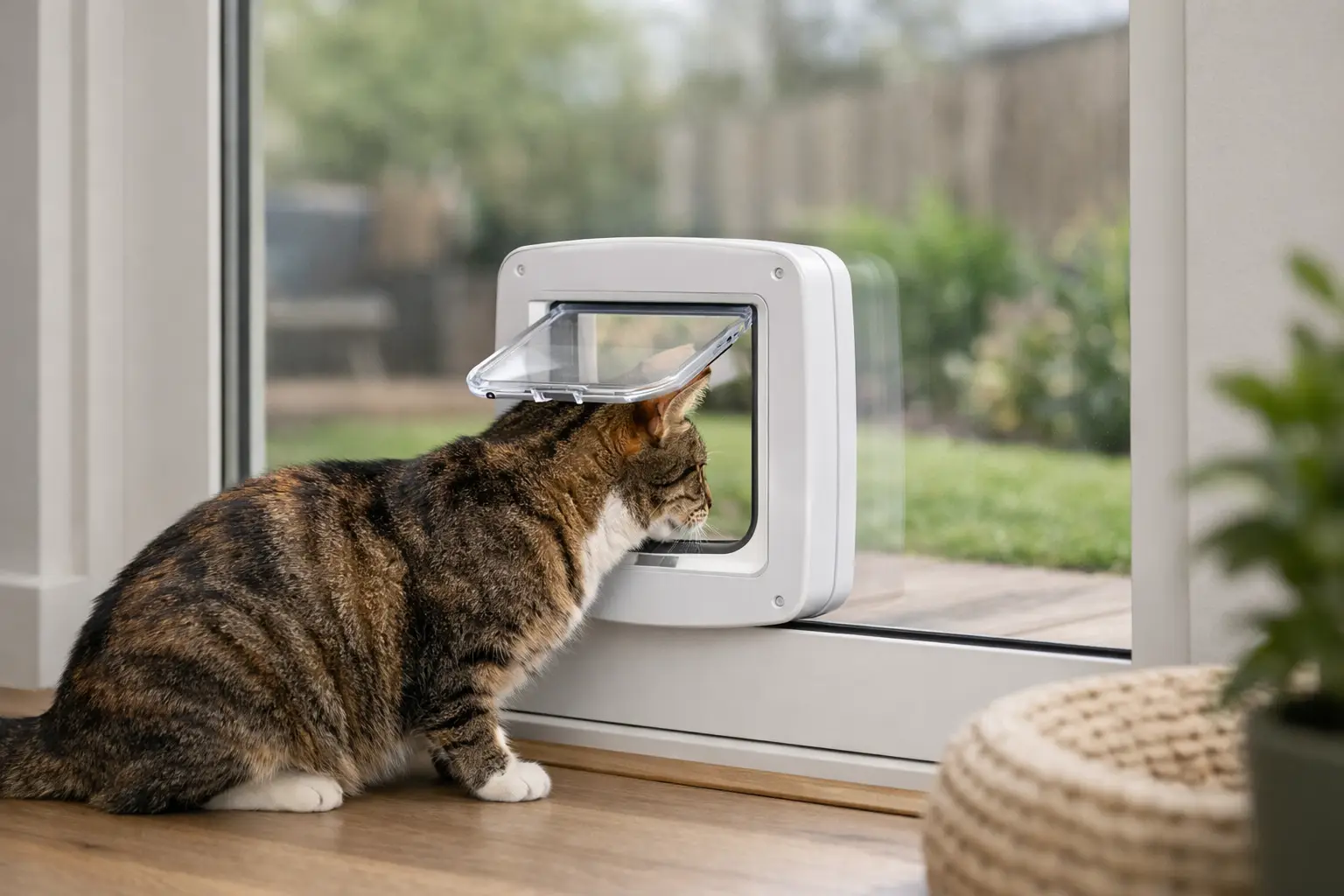
People also ask whether pets will use it straight away. Some do. Others need a bit of training. Cats can be cautious, and some dogs need encouragement if the flap has resistance. Usually, once the size and height are right, pets adapt quickly.
Is it worth installing one?
For most pet owners, yes. A well-fitted pet door in a security screen can make daily life easier straight away. It reduces door duty, helps pets settle into a routine, and lets you keep airflow through the home without constantly getting up to let someone in or out.
The key is getting the fit right. Security screens are not the place for rough guesses or one-size-fits-all products. If you want the flap to work properly, look good, and hold up over time, the smartest move is to treat it like a trade job rather than a quick weekend fix.
If you are weighing up whether to go ahead, start with the door you have, the pet you have, and the standard you expect. A clean, secure installation should feel like part of the door, not an afterthought – and that is usually the difference between a job that solves a problem and one that creates a new one.
If you’re looking for a professionally installed pet door check out petdoorsontime.com.