- May 16, 2026
- 12:22 pm
A pet door in glass sounds simple until someone suggests cutting a hole into your existing glass. But that’s not how proper in glass pet door installation works. And it’s where a lot of costly confusion starts.
If your pet door is going into a glass door, side panel or window, the existing pane usually cannot be cut. Standard household glass used in doors is commonly safety glass, and once it’s toughened, it cannot be resized or drilled. Trying to alter it on site will cause the panel to shatter. The correct method is to replace the glass with a new Grade A Toughened Safety Glass panel manufactured with a hole pre-cut.
This detail matters because it affects safety, lead time and price. In glass pet door installations require glazing specialists. They need accurate measuring and the right pet door model to ensure a smooth installation process.
How in glass pet door installation actually works
The first step is confirming what type of glass you have and where it sits. A sliding glass door, fixed sidelight, hinged glass door and standard window all need slightly different handling. If the panel is single glazed, the process is generally straightforward. Measure the glass, confirm the pet door size and order a replacement pane with the pet door hole correctly positioned.
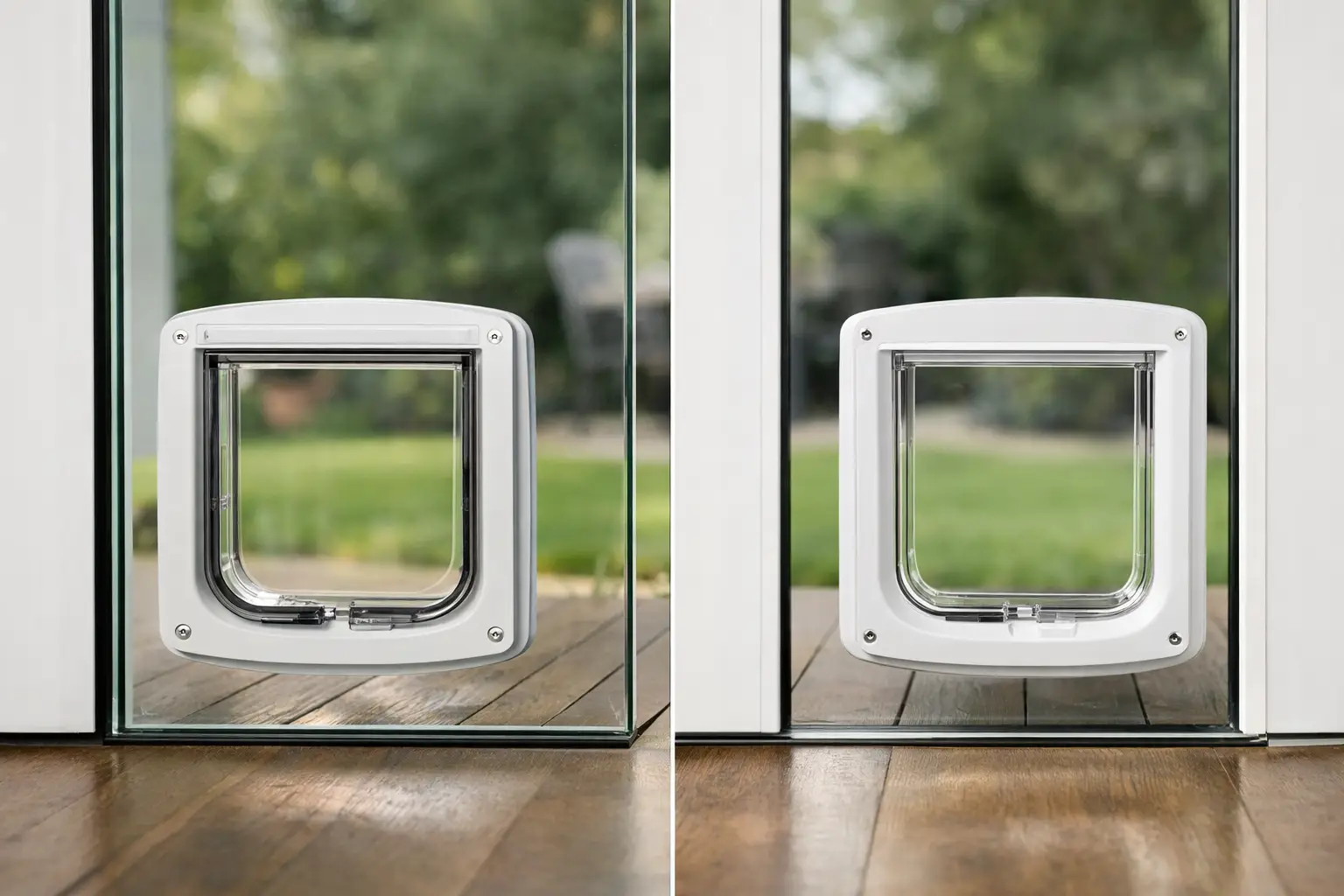
Once the new panel is ready, the old pane is removed and new toughened glass is fitted into the frame. The pet door is then installed into the pre-cut opening. Done properly, the result looks neat, operates smoothly and feels like part of the original door, rather than an afterthought.
Double-glazed glass is more specialised again. In this case, the full insulated glass unit needs to be remade to suit the opening for the pet door. This is not a handyman job. It requires precise measuring and manufacturing so the unit retains its structure and performs as intended.
Why existing glass usually cannot be cut
This is the part many homeowners are not told early enough. Toughened safety glass is more than 4 times stronger than ordinary glass. This strength comes from the toughening process. This involves placing the custom glass in a heat furnace and then rapidly cooling it. So although it’s super strong the trade-off is the panel cannot be cut or processed further once toughened.
So if someone offers to arrive with a drill and cut into your current glass door on the spot, that’s a red flag. For compliant, safe in glass pet door installation, the pet door hole is created before the glass is toughened, not after. This is why the job involves glass replacement rather than simple modification.
Laminated panels also need care. Even where a particular glass type can technically be altered in some circumstances, it’s rarely the right approach. We often find the glass tends to crack or break overtime. A replacement panel made to specification is the cleanest, most reliable option.
Choosing the right location for the pet door
Where the opening sits in the glass panel affects daily use more than most people expect. Too high and smaller pets hesitate or refuse to use it. Or too close to the frame and the installation may not suit the pet door or the glazing requirements. When it’s too low then there can be clearance issues.
The best height is usually based on your pet’s back height and step-through comfort, not just what looks centred. This is especially important for older dogs, short-legged breeds and nervous cats that dislike awkward entry points.
There is also the question of traffic flow inside and outside the home. A pet door opening straight onto a garden bed or outdoor step may not be ideal. Pet doors are also not allowed into pool areas. Good advice at quoting stage helps avoid putting the door in the wrong place and paying the price later.
Sizing matters more than people think
A pet door that is slightly too small is rarely used well. Pets may squeeze through reluctantly for a while, but that usually leads to scratching, bumping or complete refusal. At the other end, a pet door that is too large can affect privacy, draught control and appearance.
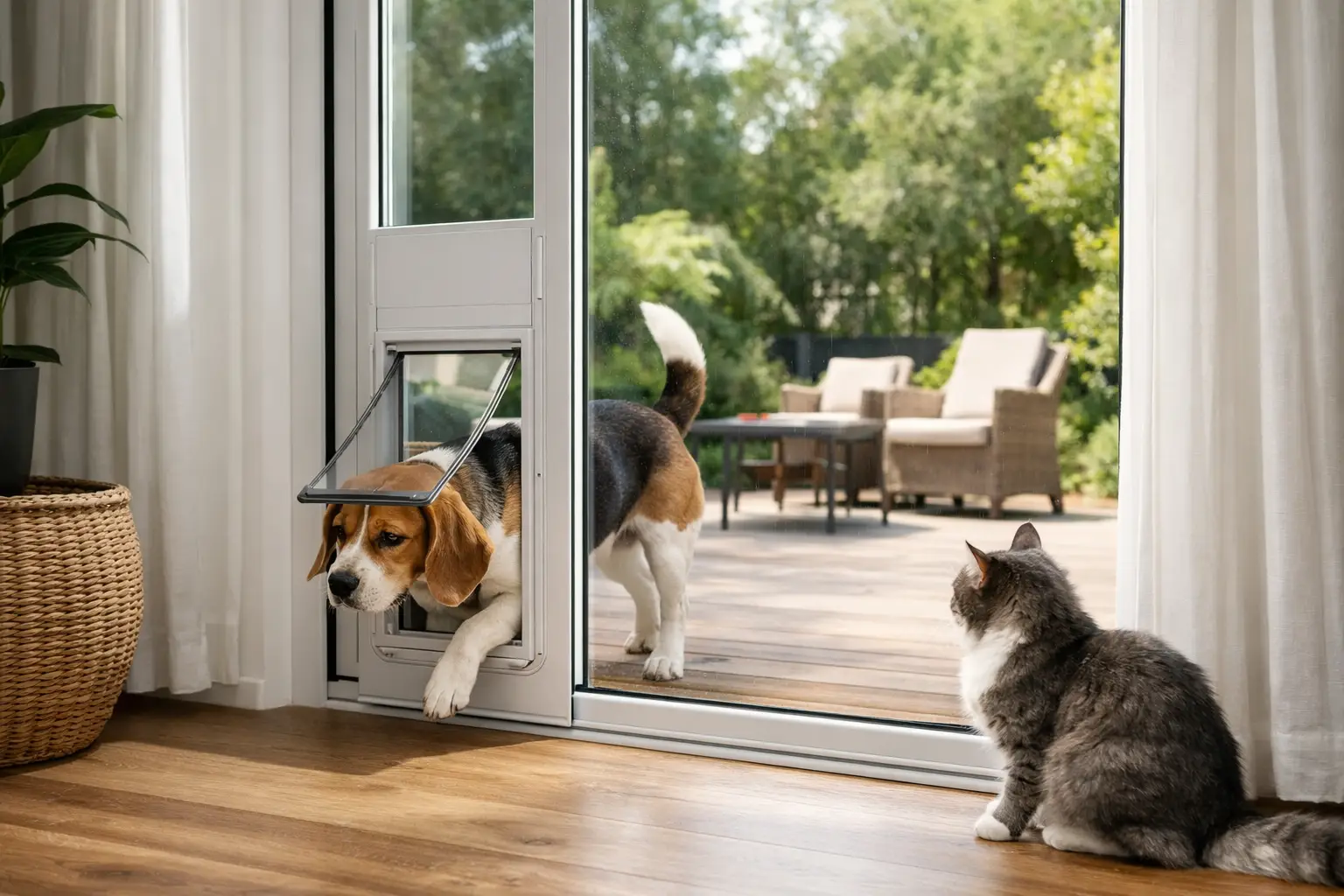
The right size depends on your pet’s height, width and how they move. Consider factors such as your pet’s age, weight and chest broadness. Multi-pet households need a size that suits the largest regular user.
This is one of the main reasons a measured installation service is worth it. Once glass is manufactured, changes are expensive. Getting the pet size and product fit right before the panel is made saves a lot of frustration.
What affects cost and turnaround time
There is no single price for in glass pet door installation because the glass itself is part of the job. Size of the panel, glass type, pet door model and whether the job is single or double glazed all affect the final figure.
A pet door installation into a single glazed standard pane is naturally less involved than a installation into a double glazed unit. Double glazing costs more because the unit has to be manufactured to order. Access can also play a part. Upstairs windows, oversized panels and difficult removal conditions may require extra labour or equipment.
Turnaround time depends mostly on manufacturing lead time for the new glass. Allow 2-4 weeks depending on whether the glass is single or double glazed. The installation itself is often relatively quick once the panel is ready. That’s why accurate measuring at the start is so important. Mistakes do not just cost money, they also add another round of production time. If you want an instant quote – use our online quoting tool. (we’ll always perform a check measure before installation so no need to be millimeter perfect when adding your measurements)
DIY versus professional installation
For timber or some screen doors, DIY can be realistic for capable homeowners. Glass is different. The technical risk is higher, the materials are less forgiving and compliance matters.
Professional installers do more than fit the pet door. They identify the glazing type, measure correctly, order the right safety glass and fit the finished panel without damaging the frame. Professionals also know how different pet door brands and models sit within glass, which helps avoid problems with strength, placement and usability.
For Australian households, that peace of mind is usually the deciding factor. Pet doors in glass are not in-expensive. Replacing one twice because the first attempt was wrong can be extremely costly.
Security, weather and everyday performance
A common concern is whether a pet door in glass makes the home less secure. The honest answer is that it depends on the door selected, the panel location and the size of the opening. Some pet doors have secure locking panels which can be important for larger pet doors where security is a concern.
Weather performance matters too. A good installation should sit flush and operate cleanly, but not all pet doors offer the same resistance to wind, dust and rain. If the opening is exposed to strong weather, product selection becomes important. You’ll want a pet door with a weather seal to prevent water egressing into the house.
There is also the practical issue of cleaning. Glass doors show marks quickly, and cheaper installations can leave awkward seal lines or a bulky finish. A neat, properly centred fit makes a visible difference in everyday use.
When specialist help makes the process easier
If you are unsure whether your glass door or window can take a pet door, that is exactly when specialist advice helps most. The difficult jobs are often the ones people delay for months because they assume the answer will be no, or that it will be too hard. In reality, many glass doors and windows including sliding glass doors are suitable for a pet doors. But an expert evaluation is always the best option when you’re unsure.
This is where a specialist installer such as Pet Doors Ontime earns its place. The value is not just in fitting the pet door. It is in removing the guesswork around glass type, measurements, compliance and product choice. It helps when getting the job done cleanly and safely.
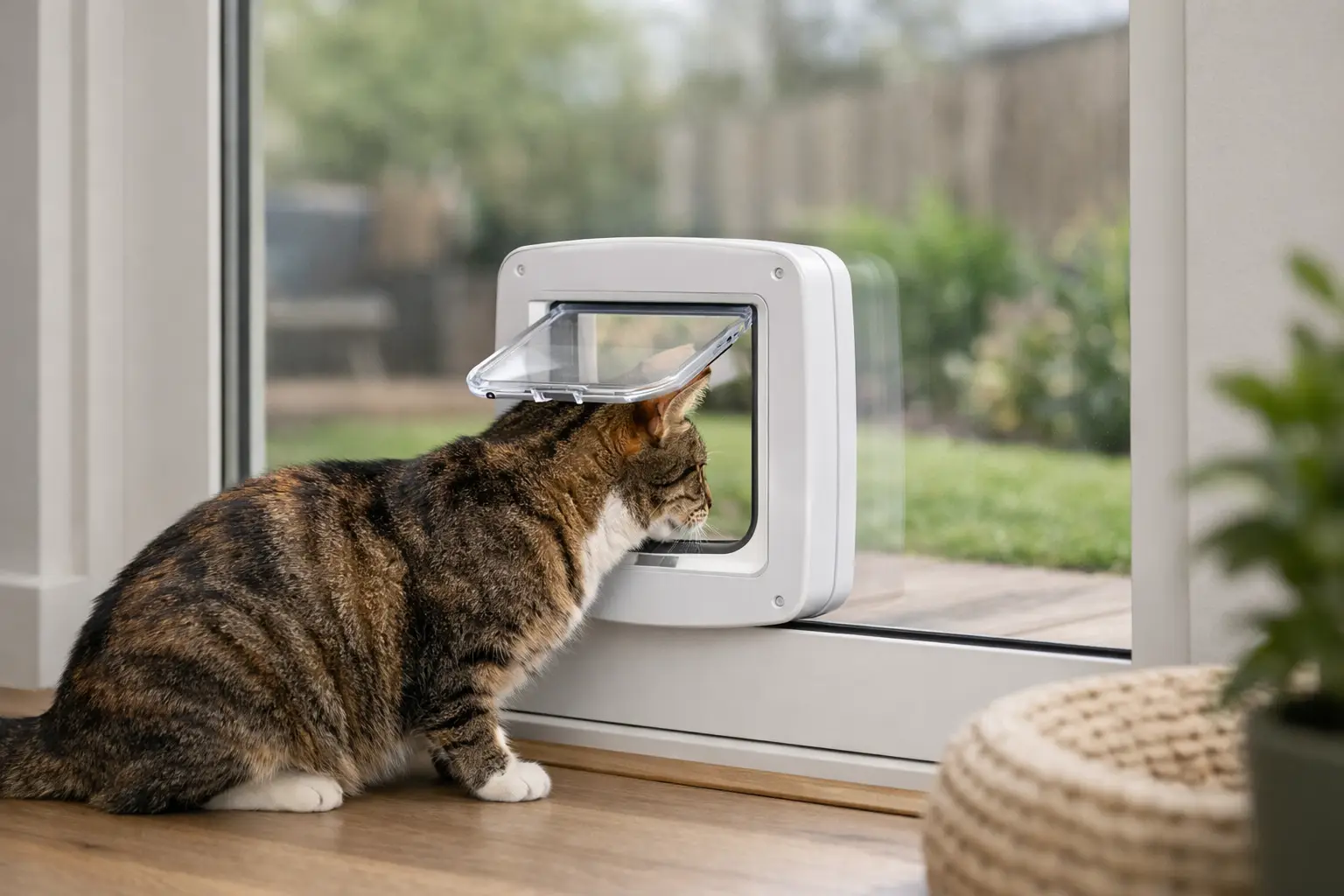
For most households, the real benefit starts after installation. No more standing at the door several times a day. No scratched glass. And no awkward temporary solutions. Just a properly fitted access point that works for your pet and still looks right in your home.
If you are considering in glass pet door installation, the best next step is to treat it like a glazing job, not a quick hardware add-on. Once the measurements, glass specification and pet size are handled properly, the whole process becomes much simpler. The result is something you will be happy to live with every day.
For more information on in glass pet door installation call Pet Doors Ontime on 1300 940 801.